15 Best Spa and Salon WordPress Themes in 2026
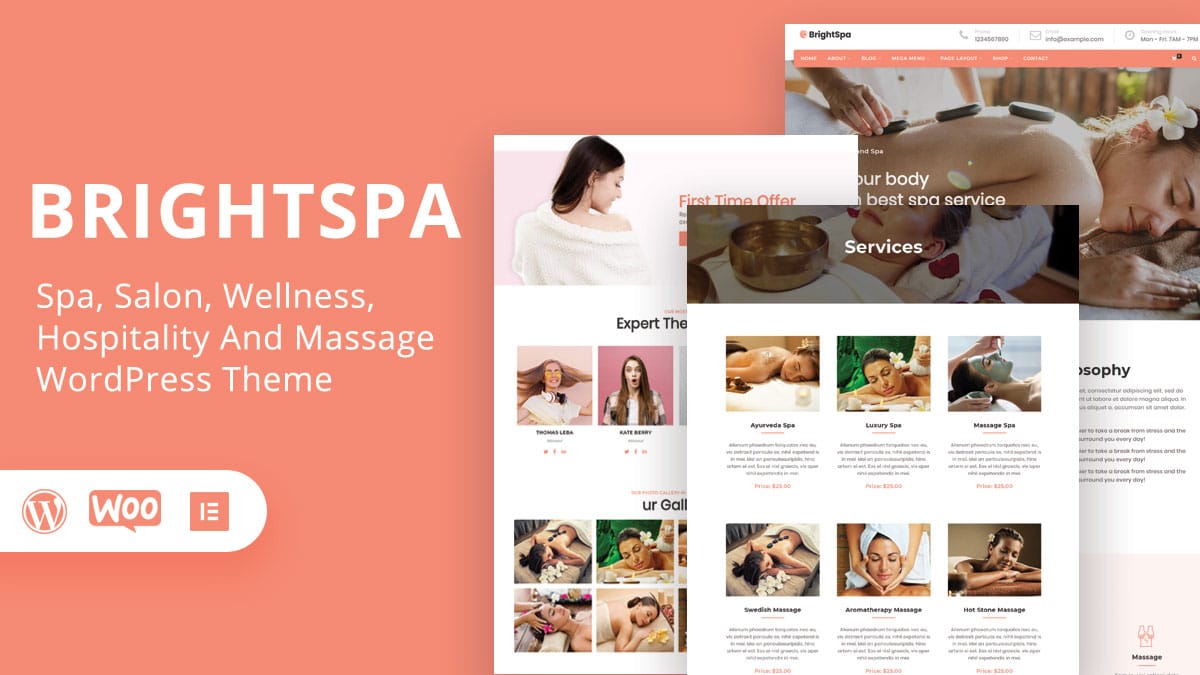
Spa, salon, and wellness businesses need websites that convey relaxation, professionalism, and luxury. In 2026, the best spa themes combine beautiful aesthetics with booking functionality and client management features that streamline your business operations. A cluttered, dated website undermines the very experience a spa is trying to sell, so the theme decision matters more here than in almost any other local business category.
Think about the last time you booked a spa appointment yourself. You probably looked at a handful of local options, glanced at the photos, checked whether the pricing was visible without a phone call, and picked the one that felt the most trustworthy in about thirty seconds of scrolling. That’s the bar every theme on this list has to clear. It’s not really a design competition, it’s a trust competition, and the winner is usually whichever site makes booking feel like the obvious, low-friction next step rather than a chore.
What Spa & Salon Websites Need
- Online Booking: Appointment scheduling that connects to a calendar plugin
- Service Menus: Treatment descriptions and pricing that are easy to scan on mobile
- Gallery: Showcase your space and work with high-resolution image support
- Team Profiles: Introduce therapists and stylists to build trust before a first visit
- Reviews: Build trust with testimonials pulled from Google or your booking platform
- Gift Cards: E-commerce for retail products and prepaid packages
- Fast Load Times: Most spa bookings now happen on a phone in a spare five minutes, and a slow theme loses that visitor before they see the booking button
Most of the themes below are not purpose-built spa templates in a narrow sense, they’re flexible, well-supported WordPress themes with demo layouts and design flexibility that spa and salon owners use every day, paired with a dedicated booking plugin like Amelia, Bookly, or Simply Schedule Appointments. That combination, a strong general theme plus a specialist booking plugin, tends to age better than an all-in-one niche theme that stops receiving updates a year after you build the site.
15 Best Spa WordPress Themes 2026
1. Reign Theme – Best for Spa Communities
Reign Theme offers spa businesses the ability to build client communities, wellness programs, and membership experiences beyond basic booking sites.
Key Spa Features:
- Elegant, relaxing design aesthetics
- Booking plugin compatibility
- Client membership programs
- Wellness community features
- Service showcase layouts
- Team member profiles
- WooCommerce for products and gift cards
- Before/after galleries
Why Spas Choose Reign: Modern spas are building membership programs and wellness communities. Reign enables client portals, loyalty programs, and community features that transform one-time clients into lifetime members.
Pricing: Starting at $69/year
2. BuddyX Pro – Best for Wellness Communities
BuddyX Pro is perfect for wellness centers building health-focused communities around their services.
Key Features:
- Client community profiles
- Wellness groups and discussions
- Health journey tracking
- Clean, calming design
- Mobile booking access
Pricing: Starting at $59/year
3. Avada
Avada has been one of the best-selling themes on ThemeForest for years, and its Fusion Builder makes it easy to lay out a service menu, staff bios, and a gallery without touching code. Spa owners tend to reach for it because it comes bundled with dozens of pre-built demo sites, several of which are already styled for wellness and beauty businesses.
Pros: Enormous demo library, active support forum, frequent updates, works with WooCommerce out of the box.
Cons: Fusion Builder adds page weight if you’re not careful with image sizes, and the sheer number of options can overwhelm a first-time site builder.
Best for: Owners who want a huge library of ready-made layouts to start from rather than building from a blank page.
4. Divi
Elegant Themes’ Divi builder is a front-end drag-and-drop editor, which means changes to your homepage, pricing table, or gift card section show up instantly as you make them. Divi ships with hundreds of layout packs, and its split-testing and dynamic content features make it a strong pick for spa chains running multiple locations under one brand.
Pros: Real-time visual editing, built-in A/B split testing, huge community of third-party layout packs and plugins.
Cons: Switching away from Divi later can mean rebuilding pages, since its shortcodes don’t translate cleanly to other builders.
Best for: Multi-location spa and salon groups that want consistent branding with location-specific pages.
5. Bridge
Bridge, from Qode Interactive, leans more visual and editorial than most business themes, with strong support for full-bleed photography and video backgrounds. That makes it a natural fit for high-end day spas and med spas trying to signal a premium, boutique experience rather than a basic clinical one.
Pros: Striking visual demos, strong typography controls, good support for large hero imagery and video.
Cons: Heavier than lightweight alternatives, so image optimization matters more if you want fast load times.
Best for: Luxury and boutique spas that want a magazine-style visual presentation.
6. Astra
Astra is one of the fastest-loading themes in the WordPress ecosystem, and its starter template library includes several salon and spa demos built for Elementor or the block editor. Because Astra is lightweight, sites built on it tend to score well on Core Web Vitals, which matters for local search visibility.
Pros: Very fast out of the box, huge starter template library, works with any page builder you already know.
Cons: Advanced customization requires the paid Astra Pro add-on for some features.
Best for: Owners prioritizing page speed and local SEO over heavy visual customization.
7. OceanWP
OceanWP pairs well with WooCommerce, which matters if your spa sells retail products, gift cards, or prepaid packages alongside services. Its extension system lets you add only the features you need, keeping the site lean instead of loading every possible module by default.
Pros: Strong WooCommerce integration, modular extensions, generous free version.
Cons: Design feels a step more generic than some of the more visually distinctive options on this list.
Best for: Spas with a retail component that need solid WooCommerce support.
8. Kadence
Kadence has become a favorite among local service businesses because it’s built around the native WordPress block editor rather than a proprietary builder, which means fewer plugin dependencies and a cleaner long-term maintenance path. Its starter templates include clean, minimal layouts that suit calm, wellness-oriented branding well.
Pros: Built on core WordPress blocks, fast performance, no vendor lock-in from a proprietary builder.
Cons: Fewer flashy pre-built demos compared to ThemeForest heavyweights like Avada or The7.
Best for: Owners who want to avoid page-builder lock-in and stay close to core WordPress.
9. GeneratePress
GeneratePress is small, fast, and endlessly customizable through its companion GenerateBlocks plugin. It doesn’t come with flashy demo content out of the box, so it suits agencies and developers building a custom spa site from scratch more than owners looking for a one-click import.
Pros: Extremely lightweight, developer-friendly hooks and filters, low long-term maintenance overhead.
Cons: Steeper learning curve for owners without any WordPress or CSS experience.
Best for: Developers and agencies building a fully custom site for a spa client.
10. Neve
Neve, from Themeisle, is AMP-ready out of the box and ships with starter sites aimed at local businesses, including several suited to beauty and wellness. It’s a reasonable middle ground for owners who want speed without giving up access to a page builder like Elementor when they need one.
Pros: AMP support for mobile speed, works with Elementor, Gutenberg, or Brizy.
Cons: Some starter sites need Elementor Pro to unlock full customization.
Best for: Owners who want mobile speed plus optional page-builder flexibility.
11. Blocksy
Blocksy is a newer entrant that’s gained traction fast because it was built with full site editing in mind from day one. Its header and footer builder makes it simple to add a sticky “Book Now” button, something every spa site should have regardless of which theme you choose.
Pros: Modern FSE compatibility, intuitive header/footer builder, active development.
Cons: Smaller extension ecosystem than more established themes on this list.
Best for: Owners who want a modern, FSE-compatible theme with an easy header/footer builder.
12. Hello Elementor
Hello is Elementor’s own minimal base theme, stripped down so that Elementor’s page builder handles nearly all the design work. Paired with Elementor Pro’s theme builder, it gives total control over every template, which suits designers who want to build a completely bespoke spa site rather than adapt a demo.
Pros: Total design freedom through Elementor, huge plugin and widget ecosystem, familiar to most WordPress freelancers.
Cons: Requires Elementor Pro for full theme-building features, and heavy Elementor pages can slow down without care.
Best for: Designers who want a blank canvas and already know Elementor well.
13. The7
The7, from Dream-Theme, has one of the largest demo libraries on ThemeForest and includes several layouts aimed at salons, spas, and beauty studios specifically. Its built-in WooCommerce styling makes retail and gift card sales look native rather than bolted on.
Pros: Spa-specific demo layouts, strong WooCommerce styling, works with multiple page builders.
Cons: The size of the demo library can make initial setup feel overwhelming.
Best for: Owners who want a spa-specific starting demo without hiring a designer.
14. Uncode
Uncode is popular with design-forward studios because of its grid-based portfolio layouts, which work surprisingly well for showcasing hair and nail work as a visual portfolio rather than a static gallery. It’s more design-intensive to set up than something like Astra, but the payoff is a genuinely distinctive-looking site.
Pros: Distinctive portfolio-style grids, strong typography system, popular among design studios.
Cons: Requires more design sense to configure well than a template-driven theme.
Best for: Salons that want their before/after work to read like a portfolio, not a stock photo gallery.
15. Salient
Salient, from ThemeNectar, is built around smooth scroll animations and video integration, which suits spas trying to communicate a calm, immersive brand feeling before a visitor even reaches the booking form. It has a steeper learning curve than lighter themes, but the visual polish is hard to match at its price point.
Pros: Cinematic scroll animations, strong video background support, well-documented.
Cons: Animation-heavy pages need careful optimization to keep mobile load times reasonable.
Best for: Spas that want cinematic, animation-heavy storytelling on the homepage.
Pairing Your Theme With a Booking Plugin
None of the general-purpose themes above include booking functionality natively, and that’s actually a feature rather than a gap. Booking plugins update far more frequently than themes do, since payment processors and calendar sync requirements keep changing, so it’s safer to let a dedicated plugin like Amelia, Bookly, or Simply Schedule Appointments handle scheduling while your theme handles design. This separation also means you can switch booking plugins later without rebuilding your entire site. When evaluating a booking plugin, check for calendar sync with Google Calendar, deposit or prepayment support through Stripe or PayPal, staff-specific scheduling if you have multiple therapists, and automated reminder emails or texts, since no-shows are one of the biggest silent costs in the spa business.
Choosing the Right Theme for Your Spa
Start with your actual constraints rather than the prettiest demo screenshot. A single-location day spa with one owner doing double duty as the web admin should lean toward something fast and simple like Astra, Kadence, or Neve, since there’s no time to babysit a complex builder. A multi-location chain or franchise should prioritize Divi or Avada for their dynamic content and template-reuse features, which save real hours when you’re maintaining ten location pages instead of one. And if community, loyalty programs, and repeat membership are core to your business model rather than a nice-to-have, Reign and BuddyX Pro solve a problem the general-purpose themes above don’t even attempt to address.
Common Mistakes Spa Websites Make
The biggest one is burying the booking button. It should appear in the header on every single page, not just the homepage, and it should stay visible or sticky as the visitor scrolls. The second is treating the service menu like a PDF price list instead of a real page, spa visitors want to read descriptions and see photos before they commit to a hot stone massage versus a deep tissue one, and a scanned price sheet uploaded as an image gives them none of that. The third is skipping staff bios entirely. People book with a specific therapist or stylist more often than they book with a brand, and a website that hides who’s actually doing the work misses an easy trust signal. The fourth, and probably the most common, is choosing a theme for its looks alone and only discovering the booking plugin doesn’t integrate cleanly after the site is already built.
Mobile Design Considerations
Most spa bookings now start on a phone, often typed into a search bar between other tasks, so mobile isn’t a secondary concern here, it’s close to the primary use case. Every theme on this list handles responsive layout reasonably well by default, but the booking button, phone number, and address need to be reachable within one thumb-tap from any page, not buried three menu levels deep. Test your gallery on mobile specifically. A gorgeous desktop image grid can turn into a slow, janky scroll on a mid-range phone if the images aren’t properly compressed and lazy-loaded, and that’s exactly the moment a potential client gives up and calls a competitor instead.
Local SEO for Spa and Salon Websites
A beautiful theme won’t matter if nobody finds the site in the first place. Claim and fully complete your Google Business Profile before worrying about anything else, since local map pack results tend to outperform organic website rankings for “spa near me” type searches. Make sure your theme lets you embed a real Google Map on the contact page rather than a static image, and confirm your name, address, and phone number match exactly across your website, Google listing, and any directory sites like Yelp. Beyond that, individual service pages, one page per major treatment category rather than one giant page listing everything, tend to rank better because they let you target specific search terms like “deep tissue massage” or “gel manicure” instead of competing against your own homepage for every keyword at once.
Frequently Asked Questions
Do I need a page builder, or does the block editor work fine for a spa site? The native block editor has improved enough that themes like Kadence and Blocksy can produce a clean, professional spa site without a separate builder plugin. A page builder like Elementor or Divi still offers more design flexibility if you want animations or complex layouts, but it also adds another plugin to keep updated.
How much should a spa or salon website cost to build? A theme license typically runs $50 to $70 a year, and a booking plugin adds another $0 to $15 a month depending on features. Add hosting, and a self-built site can run under $300 a year total. Hiring a freelancer or agency to build it typically adds a one-time cost anywhere from a few hundred to a few thousand dollars depending on complexity.
Can I sell gift cards directly through my WordPress site? Yes, most of the themes above pair cleanly with WooCommerce, which has built-in support for selling both physical gift cards and digital ones that get emailed directly to the buyer.
Should I use a spa-specific theme or a general business theme? A general-purpose theme paired with a good booking plugin usually wins on long-term support and update frequency. Purpose-built niche themes can look great on day one but sometimes stop receiving updates once the developer moves on to a different niche.
Conclusion
For spas building membership programs, Reign Theme offers unmatched features. For wellness communities, BuddyX Pro provides excellent foundations. For everyone else, the general-purpose themes on this list, paired with the right booking plugin, will get a spa or salon website live and taking appointments without locking the business into a niche template that stops getting updates in a year or two.