15 Best WordPress Food and Restaurant Themes in 2026
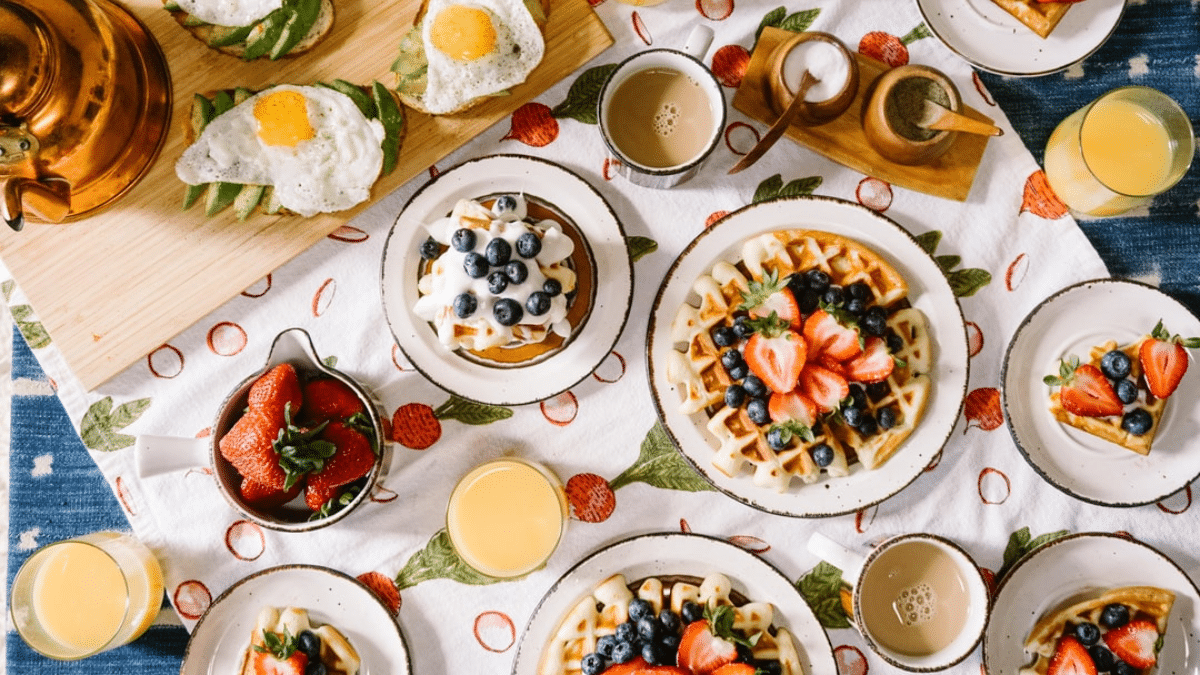
A restaurant site sells an experience before it sells a meal, but the experience only matters if a hungry visitor can actually find the menu, see the hours, and book a table or place an order without friction. Gorgeous food photography gets someone interested. A broken reservation link or an outdated menu loses them anyway, and loses them faster than almost any other kind of business, since a hungry person with options rarely waits around for a site to sort itself out.
The theme sets the appetite. The functional pieces, menu, reservations, ordering, hours, actually seat the table or fill the order.
What actually matters for a restaurant site
The menu needs to be genuinely current and genuinely readable on a phone, since most people checking a restaurant’s menu before deciding whether to go are doing it from their phone, often while already hungry and comparing a few options at once. A PDF menu that’s slow to load or impossible to read on a small screen loses that comparison to whichever competitor has a clean, fast, mobile-native menu page instead.
Hours and location need to be unmistakably accurate, since nothing frustrates a hungry visitor faster than showing up to a restaurant that’s closed because the website hours were never updated after a schedule change. This sounds trivially obvious and gets neglected constantly anyway.
Real food photography, not generic stock images, does more selling work on a restaurant site than almost any other element. A photo of the restaurant’s actual signature dish, well-lit and appetizing, persuades in a way no stock photo of generic “delicious food” ever will.
Dietary and allergen information deserves real structure
Vegetarian, vegan, gluten-free, and allergen labeling on menu items isn’t a nice extra anymore, it’s a genuine deciding factor for a meaningful share of diners choosing where to eat, and for some it’s a safety issue, not a preference. Clear, consistent icons or tags on each menu item, rather than a vague disclaimer buried at the bottom of the page, let a diner with real dietary restrictions self-qualify before ever calling to ask, which also reduces the volume of repetitive calls staff field asking about the same handful of common restrictions. Get this genuinely accurate too. A mislabeled allergen isn’t just a bad customer experience, it’s a real safety risk that a careless copy-paste error on a menu page can directly cause.
Third-party delivery platforms versus your own ordering system
Third-party delivery apps bring real visibility and existing customer bases, but they also take a significant commission per order and put the customer relationship in the platform’s hands rather than the restaurant’s own. A direct ordering system on the restaurant’s own site, even a modest one, keeps more margin per order and builds a direct customer relationship, email addresses, order history, repeat customer incentives, that a third-party platform never hands back. Many successful restaurants run both: third-party platforms for discovery and overflow demand, direct ordering promoted actively to existing customers for the orders that matter most to margin. A small discount or loyalty incentive for ordering direct rather than through a third-party app is a common, effective way to nudge repeat customers toward the higher-margin channel without alienating the discovery value the third-party platforms still provide.
Options worth considering
1. A visually-focused theme paired with real reservation and ordering tools
For most restaurants, the strongest foundation is a clean, image-forward theme, Astra, GeneratePress, or Kadence all work well as a base, paired with dedicated reservation and ordering plugins rather than relying on a themed “restaurant” product’s built-in widgets, which are often more limited than purpose-built tools. For reservations, OpenTable or Resy integrations are the most widely recognized by diners; for online ordering, RestroPress, a WooCommerce-based restaurant ordering plugin, or a direct integration with a delivery platform like ChowNow, give real control over menu items, modifiers, and order routing that a generic theme feature rarely handles well.
2. Reign Theme, for food brands building a genuine community
Where Reign Theme earns a real place is a food brand with content and engagement beyond just “come eat here,” a recipe-sharing site, a cooking-focused community, a multi-location restaurant group building a loyalty community around shared recipes and member perks. Running on BuddyPress, it supports real community features, member profiles, discussions, that a single restaurant’s ordering-and-reservations site doesn’t need. This is the wrong starting point for a single-location restaurant whose entire job is getting people to book a table; it’s a genuine fit for a food brand actively building an engaged, recipe-sharing audience. Reign starts at $69/year.
3. BuddyX Pro, for recipe and food blogger communities
BuddyX Pro fits recipe-sharing platforms and food blogger networks specifically, user-submitted recipes, cook profiles, activity feeds for new content, rather than a single restaurant’s operational site. If the actual goal is building a content and community platform around cooking and recipes, not running a single restaurant location, this is worth considering. It starts at $59/year.
Reservation systems: what actually matters
Real-time table availability, not a form that just emails a request for someone to confirm manually later, is the baseline expectation now. A reservation flow that requires waiting for a phone call back to confirm feels dated compared to instant confirmation, and diners increasingly default to whichever restaurant makes booking easiest rather than the objectively best option that’s harder to book.
No-show reduction matters operationally as much as the booking flow itself. Automated reminder texts or emails before the reservation time meaningfully reduce no-shows in practice, and larger party sizes sometimes warrant a deposit or credit card hold, which most serious reservation platforms support natively. Special occasion bookings, birthdays, anniversaries, large group reservations, are also worth capturing explicitly in the reservation form, since a heads-up ahead of time lets staff prepare in ways that meaningfully improve the actual dining experience for that table.
Online ordering: the details that actually matter
Menu modifiers, no onions, extra sauce, size options, need real support in the ordering system, not a generic “special instructions” text box that staff has to manually interpret. A structured ordering flow with real modifier options reduces order errors and the operational friction of misread special instructions during a busy service.
Delivery radius and accurate delivery time estimates matter for setting realistic customer expectations. An ordering system that accepts an order from outside a realistic delivery radius, or promises a delivery time the kitchen can’t actually hit during a rush, creates frustrated customers and bad reviews that have nothing to do with the food itself.
Reviews and local search
Most restaurant discovery starts with a local search, “pizza near me,” “best brunch in [neighborhood],” not a direct search for the restaurant’s name. This means the Google Business Profile, accurate hours, current menu, review management, matters as much as the website itself, and the two need to stay in sync. LocalBusiness and Restaurant schema markup on the site reinforces this and can help the restaurant show up with rich results, ratings and price range visible directly in search, rather than a plain blue link.
Multi-location restaurants need location-specific pages, not one generic page
A restaurant group with several locations needs each location to have its own dedicated page with its own hours, address, phone number, and reservation link, not a single generic “our locations” list that forces visitors to hunt for the specific branch nearest them. Each location page also captures its own local search visibility, a real SEO advantage a single combined page can’t replicate, since “restaurant name [neighborhood]” searches need a page specific to that neighborhood to rank well.
Menu differences between locations, seasonal items, region-specific offerings, need to be reflected accurately per location too. A generic combined menu that doesn’t reflect what a specific location actually serves creates the same trust problem as an outdated menu does for a single-location restaurant.
Catering and private events, if that’s part of the business
For restaurants that do catering or host private events, this deserves its own dedicated section with real detail, minimum order sizes, lead time required, sample packages, rather than a vague “contact us for catering” line buried in the footer. This is often a meaningfully profitable side of a restaurant business, and a site that doesn’t actively promote it with real, specific information is leaving inquiries on the table that a clearer, more detailed catering page would have captured.
Wait times and real-time status
For restaurants that get genuinely busy, showing an accurate current wait time or letting customers join a virtual waitlist from the site reduces the frustration of showing up to an unexpectedly long line with no warning. This isn’t necessary for every restaurant, quieter spots don’t need it, but for high-demand locations it’s a real differentiator that reduces walked-away customers who would have waited if they’d known the actual wait upfront, and lost that patience entirely once they arrived to an unexpected line with no estimate given.
Seasonal menus and limited-time offerings
Restaurants that rotate menus seasonally or run limited-time specials need the site to support this kind of change easily, not require developer help every time a seasonal item launches or expires. A theme with flexible, easy-to-update sections handles this far better than a rigid, hard-coded layout. It’s also worth removing expired specials promptly rather than leaving last season’s limited-time item live on the site well past its actual availability, which creates the exact same trust problem as an outdated regular menu item.
Accessibility on the ordering and reservation flow specifically
A restaurant site’s marketing pages might look fine to a screen reader user, but the actual transactional flows, the reservation form, the ordering checkout, are where accessibility failures cause the most real harm, since they block someone from completing the exact action the site exists to enable. Test these specific flows with keyboard navigation and a screen reader, not just the static content pages, since third-party reservation and ordering widgets embedded into a theme don’t automatically inherit the surrounding site’s accessibility work and need to be checked independently.
Common mistakes
The first is an outdated menu that no longer matches what’s actually served. A customer who orders based on the website menu and discovers the dish was discontinued months ago has a genuinely bad first impression that has nothing to do with the food quality itself.
The second is stock food photography instead of real photos of the restaurant’s actual dishes. Diners can often tell the difference, and generic stock imagery undercuts the specific, appetizing appeal that real photography of the actual food provides.
The third is a reservation or ordering flow that’s genuinely difficult on mobile. Since a large share of restaurant traffic is mobile, often from someone actively hungry and comparing options in real time, friction here costs real bookings and orders that a competitor’s smoother mobile flow would have captured instead.
The fourth is missing or inaccurate dietary and allergen information. Beyond the trust cost, this is a genuine safety issue for customers with real allergies, and getting it wrong carries consequences well beyond a bad review.
A few questions worth answering before you build
Is this a single location, a multi-location group, or a food brand building content and community beyond just service? Each needs meaningfully different site infrastructure, and naming which one you actually are before comparing themes saves real backtracking later.
Does the restaurant genuinely need online ordering, reservations, both, or neither? A fine-dining restaurant might need reservations and no online ordering at all. A counter-service spot might need ordering and no reservation system whatsoever. Building both when only one is actually needed adds maintenance overhead without adding real value.
Who updates the menu and hours when they change, and how often does that actually happen? A site with no clear owner for these updates drifts toward the outdated-menu problem covered above within a surprisingly short time, especially for restaurants that update seasonal offerings frequently.
Is the priority third-party delivery visibility, direct ordering margin, or reservations, and does the site’s current setup actually reflect that priority? A restaurant that says direct ordering matters but buries the order button below three other calls to action is undermining its own stated priority through the actual page layout.
Staff turnover and keeping content accurate over time
Restaurants have real staff turnover, and a “meet the chef” or “our team” page featuring someone who left months ago is a small but real credibility gap for anyone who’s followed the restaurant for a while or checks before a special occasion booking specifically to dine under a particular chef’s menu. Assign someone real ownership of keeping team and menu content current, not just the initial launch content, since this kind of staleness accumulates quietly and nobody notices until a regular customer points it out.
Sourcing and provenance content, where it’s genuinely relevant
Restaurants that emphasize local sourcing, sustainable seafood, or specific ingredient provenance have a genuine story worth telling on the site, not just a line item on the menu. A dedicated section explaining real sourcing relationships, a specific local farm, a particular fishing practice, builds the kind of trust and differentiation that a plain menu listing can’t. This only works if the claims are genuinely true and specific; a vague “locally sourced when possible” line does less for credibility than either a specific, honest claim or simply not making the claim at all.
Handling closures, renovations, and temporary changes honestly
Restaurants close temporarily for renovations, staff shortages, or seasonal breaks more often than the public-facing marketing tends to acknowledge, and a site that goes silent during a closure, still showing normal hours and an active reservation link, creates the exact frustrating experience a good website is supposed to prevent. A simple, honest banner or updated status during any temporary closure, with an expected reopening date if known, costs almost nothing to implement and prevents a wasted trip that turns a returning customer into a frustrated one. This is a small operational discipline, not a design decision, but it belongs in the same conversation as the rest of the site’s accuracy standards.
Photography beyond the food itself
Interior and exterior photos matter almost as much as the food photography for restaurants where atmosphere is part of the appeal, a cozy neighborhood spot, a lively bar scene, an elegant dining room. A visitor deciding between a quiet dinner and a lively night out is evaluating the space as much as the menu, and a site with only plated-food photography leaves that half of the decision entirely unanswered. A handful of genuine interior shots, taken during actual service rather than an empty staged room, communicate the real experience far better than food photography alone ever could.
Which one to pick
For the overwhelming majority of restaurants, a clean, visually driven theme paired with dedicated reservation and ordering tools, OpenTable or Resy for booking, RestroPress or a delivery platform integration for ordering, is the right foundation. Reign Theme is worth the investment specifically for a food brand building genuine community and content beyond a single location’s service, not a standard restaurant’s operational site. BuddyX Pro fits recipe and food blogger communities more than restaurant operations.
Whichever you choose, remember the photography and design create the appetite. The reservation and ordering flow are what actually seat the table or fill the order. Get both working smoothly and consistently, and the site earns its keep every single service, not just on the nights the photography happens to catch someone’s eye.