Best Instacart Alternatives in 2026 for Grocery Delivery and Same-Day Essentials
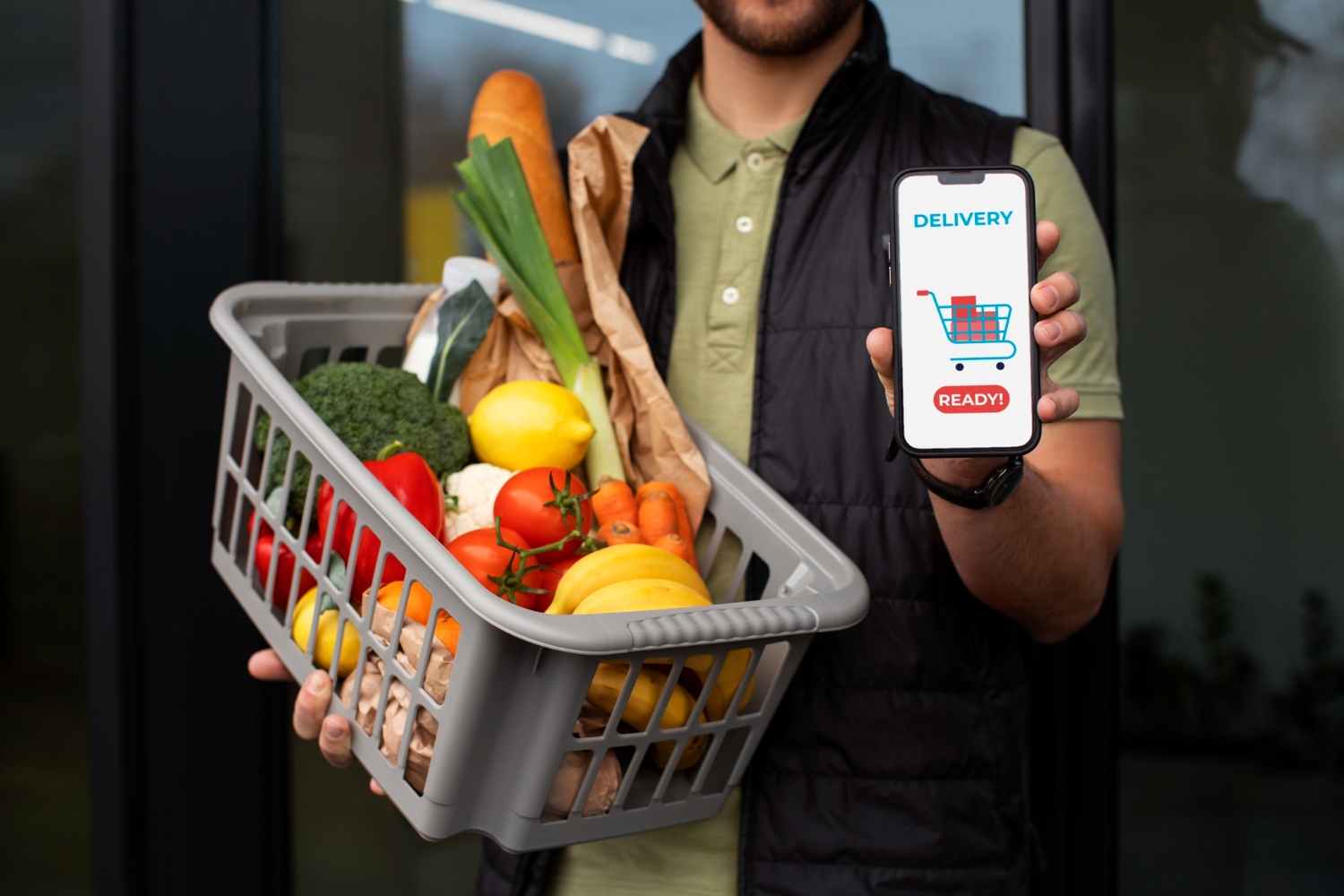
Instacart turned grocery delivery from a novelty into an everyday habit for a huge share of American households by solving a genuinely hard logistics problem: getting a personal shopper into thousands of different grocery stores, picking real produce off real shelves, and getting it to your door within a couple of hours. That model still works well, and Instacart’s partnership network covering most major grocery chains remains its biggest structural advantage. But it’s no longer the only way to get groceries delivered, and depending on where you live, which stores you actually shop at, and how much you’re willing to pay in service fees, one of its competitors may genuinely serve you better.
The push to look elsewhere usually comes down to fees, membership structure, or store selection. Instacart’s per-order service fees and delivery fees stack up fast for households ordering multiple times a week, and even its membership tier doesn’t eliminate every cost the way some competitors’ bundled memberships do. Some shoppers simply prefer buying directly from a retailer they already trust rather than through a third-party marketplace layer, and some live in areas where Instacart’s shopper coverage is thin but a competitor’s owned delivery fleet covers the same address reliably. None of that makes Instacart wrong for most people. It just means the comparison is worth doing honestly against your actual shopping habits rather than defaulting to whichever app you downloaded first.
What actually separates one grocery delivery service from another
Fee structure is the first thing worth understanding clearly, because it’s genuinely confusing across this category and vendors don’t make comparison easy. Some services charge per-order delivery fees that vary by order size and distance, others bundle unlimited delivery into a flat membership fee, and nearly all of them mark up individual item prices somewhat compared to walking into the store yourself. The only way to know the real cost is to run your actual typical order through each service’s checkout and compare the final total, not just the advertised delivery fee, since item markups and service fees often matter more than the delivery charge itself.
Store selection deserves equal weight, since delivery speed and price mean nothing if the service doesn’t carry your household’s actual preferred retailer. A family that shops primarily at a regional grocery chain, a specific warehouse club, or a particular ethnic grocery store needs to confirm that exact store is covered before assuming any of these platforms works for their household. Delivery window flexibility is the other quiet differentiator: some services offer genuine same-hour delivery in dense urban areas, while others operate on scheduled windows booked a day or more in advance, and that difference matters enormously depending on whether you’re planning ahead or scrambling for dinner ingredients an hour before cooking.
The strongest Instacart alternatives for 2026
1. Amazon Fresh
Amazon Fresh leverages Amazon’s existing Prime membership and logistics network to offer grocery delivery with genuinely competitive pricing and, in markets with strong coverage, notably fast delivery windows. Prime members get access without an additional grocery-specific subscription fee in many areas, which is a real structural advantage over services requiring their own separate membership on top of what you’re already paying elsewhere. The integration with Whole Foods in many markets extends the effective catalog into higher-end and specialty items alongside Amazon Fresh’s own broader grocery selection. Amazon Fresh’s delivery footprint isn’t universal, coverage is genuinely strong in major metro areas and considerably thinner in smaller cities and rural areas, so confirming service availability at your specific address before assuming Prime membership guarantees access is a necessary first step.
2. Walmart+
Walmart+ bundles unlimited grocery delivery from Walmart stores into a single membership fee alongside other Walmart+ benefits like fuel discounts and Paramount+ streaming access, which changes the math considerably for a household that orders groceries regularly. Because Walmart owns and operates its delivery rather than routing through a third-party gig-worker marketplace, pricing and delivery reliability tend to be more consistent, and Walmart’s everyday low prices carry through to delivery orders in a way that some competitors’ marked-up delivery pricing doesn’t quite match. The tradeoff is straightforward: you’re limited to Walmart’s specific store inventory and private-label brand selection, which won’t satisfy a household loyal to a different grocery chain’s specific products or store brands. For households already shopping at Walmart in person, the membership essentially pays for itself once you factor in the non-grocery perks bundled alongside it.
3. Shipt
Shipt, owned by Target, operates on a personal-shopper model similar to Instacart but with a membership structure that bundles unlimited delivery into an annual or monthly fee rather than charging per-order delivery costs on top of a membership. Its shopper-selection features let customers rate and request specific shoppers they’ve had good experiences with, building a level of personal relationship and trust that a rotating pool of anonymous gig workers doesn’t always provide. Shipt covers Target as its flagship retailer alongside a range of other regional and national grocery partners, giving it a genuinely broad store selection beyond just the Target brand association most people know it for. Membership cost needs to be weighed against actual order frequency, since infrequent shoppers may find per-order services cheaper overall despite the higher individual delivery fee.
4. DoorDash
DoorDash expanded well beyond restaurant delivery into grocery through both its own DashMart micro-fulfillment locations and direct partnerships with grocery chains, positioning itself as a single app that handles both dinner tonight and a genuine grocery run without switching platforms. For households that already use DoorDash regularly for restaurant orders, that consolidation is a real convenience, one app, one payment method, one delivery tracking interface, rather than managing separate subscriptions and apps for food delivery and grocery delivery. DoorDash’s DashPass membership extends the same unlimited-delivery value proposition across both restaurant and grocery orders, which can make it a genuinely better overall value than a grocery-only membership for a household ordering frequently across both categories. Its dedicated grocery selection, while growing, still trails Instacart’s mature retailer partnership network in some markets, so store coverage should be confirmed before assuming full parity.
5. Gopuff
Gopuff built its business around an entirely different fulfillment model, micro-fulfillment centers stocked with convenience and grocery essentials, positioned to deliver in 30 minutes or less rather than the hour-plus windows more typical of full-store personal-shopper services. That speed makes Gopuff genuinely useful for the specific use case it’s built for: forgot an ingredient mid-recipe, ran out of a household essential, need a late-night snack run without leaving the house. It’s not a full grocery-shopping replacement, since its catalog covers convenience items, snacks, drinks, household basics, and some prepared food rather than a full supermarket’s produce and meat selection. Households that use Gopuff tend to use it alongside a full grocery delivery service or in-person shopping rather than as their sole grocery source, which is exactly how the platform is designed to be used.
6. Uber Eats
Uber Eats has followed a similar expansion path to DoorDash, layering grocery delivery from partner supermarkets and its own convenience-focused offerings onto a platform most people already associate primarily with restaurant delivery. Households already paying for Uber One, Uber’s membership bundling ride discounts with delivery benefits, get grocery delivery value folded into a subscription they may already be paying for other reasons, which is a real advantage over starting an entirely new grocery-specific membership from scratch. Grocery store selection through Uber Eats varies significantly by market, generally strong in major cities and considerably thinner in smaller markets, following a similar coverage pattern to its restaurant delivery footprint. For households already deep in the Uber ecosystem for rides and restaurant delivery, adding grocery delivery to the same app and payment method removes real friction compared to managing a separate dedicated grocery app.
7. FreshDirect
FreshDirect takes a genuinely different approach from the marketplace model most competitors use, operating its own dedicated grocery fulfillment and delivery network rather than partnering with existing retail stores or routing through gig-worker shoppers. That vertical integration shows up in produce and meat quality that many longtime customers rate above typical grocery delivery, since FreshDirect sources and controls its own supply chain rather than relying on whatever happens to be on a partner store’s shelf that day. Its delivery footprint is concentrated in the New York metro area and a handful of other Northeast markets, which makes it irrelevant for the large majority of the country outside that specific service area. For households within its coverage zone who prioritize produce and meat quality over broad store-brand selection, FreshDirect’s dedicated model delivers a genuinely different, often superior, experience compared to marketplace-model competitors.
8. Weee!
Weee! has carved out a genuinely underserved niche, specialty Asian, Hispanic, and other international grocery delivery, sourcing products that mainstream grocery delivery platforms either don’t carry at all or carry in a thin, unrepresentative selection. For households seeking specific regional ingredients, imported snacks, or specialty products tied to a particular cuisine, Weee!’s focused catalog solves a real gap that generalist platforms weren’t built to fill. Its delivery model operates on scheduled routes rather than same-hour delivery, which trades speed for the ability to source and consolidate specialty inventory efficiently across a wider service area than a same-day model could support. Weee! isn’t a full replacement for a household’s everyday grocery shopping, but it’s become a genuine staple for many households specifically for the specialty items their regular grocery delivery service simply doesn’t stock.
Matching the service to your actual household
A household that orders groceries multiple times a week gets the clearest financial benefit from a bundled membership model like Walmart+ or Shipt, where the flat fee eliminates per-order delivery costs that add up fast at that frequency. A household already paying for Prime or Uber One should weight Amazon Fresh or Uber Eats accordingly, since grocery delivery essentially becomes an added benefit of a subscription they’re already paying for rather than a new cost entirely. A household needing genuine speed for last-minute needs, forgotten ingredients, late-night essentials, benefits from having Gopuff as a supplement to whatever full-service grocery platform handles the weekly shop. And a household with specific regional or specialty grocery needs should seriously evaluate Weee! alongside whichever mainstream platform covers their everyday staples, since no single generalist platform covers both well.
It’s worth running a real trial order through your top two candidates comparing the exact same shopping list before committing to a membership, since item pricing markups vary enough between platforms that the advertised delivery fee alone doesn’t tell the full story. Add your actual typical grocery list to each platform’s cart and compare final totals including all fees before assuming the cheaper membership is actually the cheaper overall choice.
A rough sense of pricing
Membership-based services like Walmart+, Shipt, and Amazon Fresh through Prime generally work out cheaper for frequent orderers once the membership fee is amortized across enough weekly orders, while occasional shoppers may end up paying more for a membership than they’d spend on a handful of per-order delivery fees through a marketplace model like Instacart or DoorDash. Item price markups are the quieter cost that’s easy to overlook when comparing platforms purely on delivery fees, and they vary meaningfully both between platforms and between the specific store you’re ordering from within a given platform. Gopuff and specialty platforms like Weee! tend to price based on convenience and sourcing difficulty rather than competing directly on the same basis as full-service grocery delivery, so direct price comparison to a mainstream grocery platform isn’t really apples to apples for those use cases.
Packaging, waste, and the details that don’t show up in a pricing comparison
Grocery delivery generates real packaging waste that a lot of comparisons skip entirely, and the amount varies noticeably between platforms depending on their fulfillment model. Marketplace platforms like Instacart, DoorDash, and Uber Eats generally deliver items in whatever bags the store itself uses at checkout, since a shopper is walking the actual store aisles and checking out like any customer. Dedicated fulfillment operations like FreshDirect and Amazon Fresh have more control over packaging, and several have invested in insulated, partially reusable delivery totes specifically to cut down on single-use packaging waste, which matters if minimizing your household’s delivery footprint is a genuine priority rather than an afterthought.
Cold chain reliability deserves a direct mention too, since it’s the failure mode that actually costs you money and food safety, not just convenience. Frozen and refrigerated items that sit too long between pickup and delivery, particularly during a delayed or rescheduled delivery window, can arrive partially thawed or above safe temperature, and platforms differ in how seriously they treat this problem operationally. Dedicated fulfillment models with controlled cold storage through the entire chain tend to have fewer reported issues here than marketplace models where a shopper’s car trunk on a hot day is the only barrier between your frozen items and the sun. If your order regularly includes a meaningful amount of frozen or perishable goods, this is worth weighing alongside price and delivery speed rather than treating every platform as functionally identical on this dimension.
Substitution policy is another detail worth understanding before your first order rather than discovering it mid-delivery. Some platforms give shoppers wide discretion to substitute an out-of-stock item with something similar, which can be genuinely helpful or genuinely frustrating depending on how well that discretion is exercised, while others default to simply refunding an unavailable item unless you’ve pre-approved specific substitution preferences. Checking and customizing your substitution settings before your first real order saves the annoyance of receiving a random brand swap you didn’t actually want.
Common questions
Is it worth having more than one grocery delivery app? For a lot of households, yes. A common pattern uses one membership service for the weekly full shop and a faster, more limited service like Gopuff for last-minute needs between full orders, which covers both the planned and unplanned sides of grocery shopping better than any single platform typically does alone.
Do delivery drivers actually pick good produce, or should I expect substitutions? Quality and substitution handling vary by platform and by individual shopper, and it’s one of the more genuinely inconsistent parts of the whole category. Platforms that let you rate and request specific shoppers, like Shipt, tend to build more consistency over repeated orders than fully anonymous, rotating shopper pools, since you can build a relationship with someone who reliably picks well.
How do tipping norms work across these platforms, and does it affect service quality? Tipping conventions are broadly similar to restaurant delivery across most of these services, and while it’s never guaranteed, a fair tip does tend to correlate with better shopper attention to substitution quality and delivery care in practice, since shoppers on marketplace-model platforms are independent workers whose income depends meaningfully on gratuities.
Related Delivery and Logistics Tools
Streamline your delivery operations with workflow automation platforms, AI analytics tools for demand forecasting, and database management solutions for inventory tracking.
Conclusion
Grocery delivery in 2026 offers excellent Instacart alternatives based on your actual shopping habits and priorities. Amazon Fresh serves Prime members well, Walmart+ provides genuine bundled value pricing, and Gopuff delivers essentials ultra-fast when you need something right now rather than a full weekly shop. Choose based on your preferred stores, your household’s order frequency, and any specialty grocery needs a generalist platform won’t cover, and don’t be afraid to run more than one service if your household’s actual needs genuinely span more than one platform’s strengths. The category has matured enough that there’s no single universal winner, the right answer depends on where you live, how often you order, and which stores you actually trust for quality, so treat any ranked list, including this one, as a shortlist to test against your own address and cart rather than a final verdict.