Best Photoshop Alternatives for Mac in 2026 – Free and Paid Options
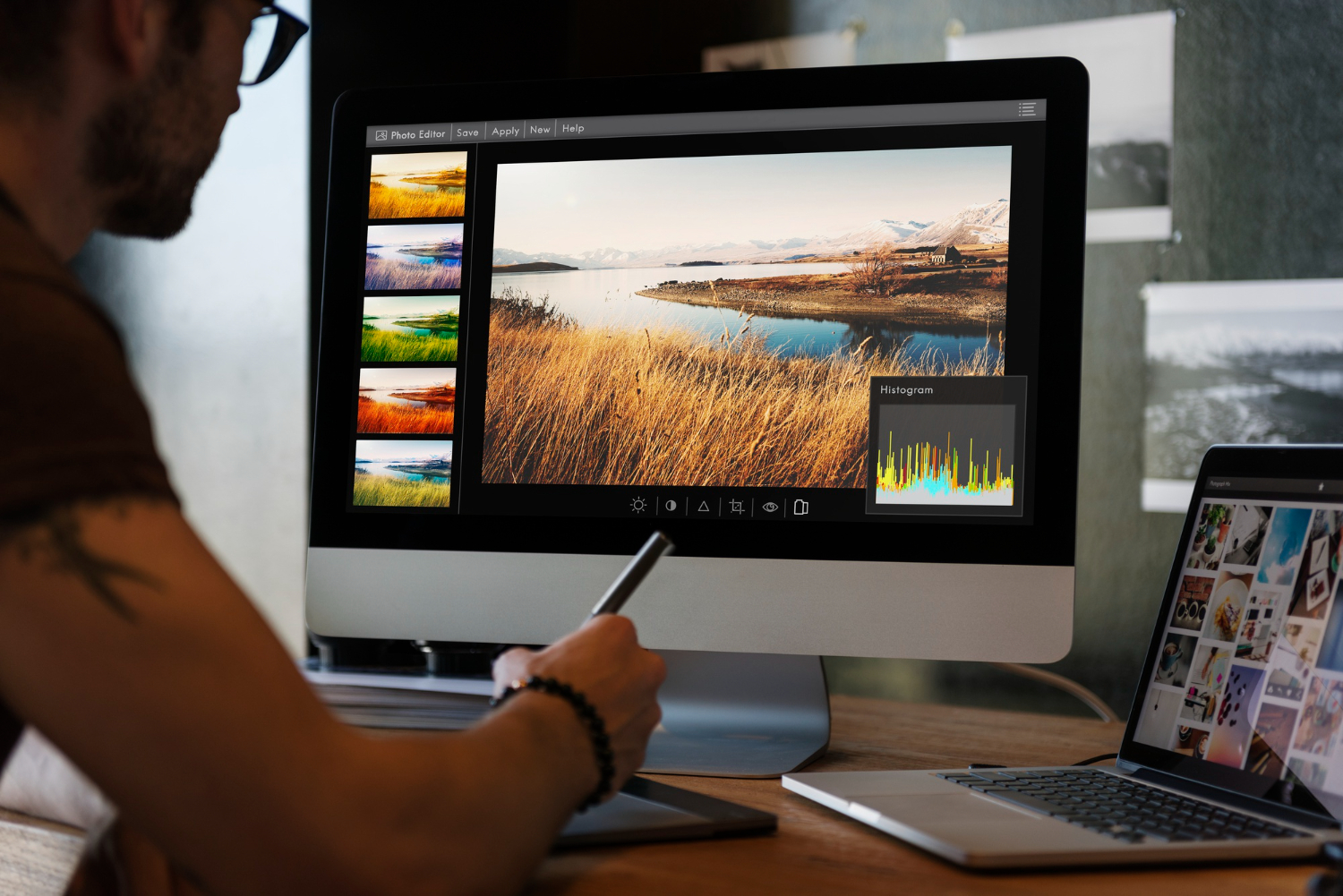
Adobe raised Creative Cloud prices again last year, and the grumbling on Mac forums got louder than usual. It is not just the cost. A lot of people only touch Photoshop a few times a month, for a product photo here, a poster there, and paying a recurring fee for occasional use never sat right with them. The good news is that macOS has one of the strongest alternative image-editing ecosystems of any platform, partly because Apple Silicon gave developers a fast, efficient chip to build around and partly because Mac users have always been willing to pay once for well-made software instead of renting it forever.
What follows is a rundown of the Photoshop alternatives that actually hold up on a Mac in 2026, covering raw professional editors, browser-based free tools, and a couple of options that started life as something other than a photo editor but ended up doing the job anyway.
1. Affinity Photo 2
Affinity Photo 2 is the closest thing to a straight Photoshop replacement on the Mac. Serif built it from the ground up for Apple Silicon, and the difference shows in how it handles large PSD files and multi-layer composites without the fan spinning up. It reads and writes native Photoshop files, including layer groups and adjustment layers, well enough that studios pass files back and forth between Affinity and Photoshop users without much friction.
The feature set covers RAW development, frequency separation retouching, HDR merge, focus stacking, and a fully non-destructive layer system. Affinity also ships Publish and Designer as part of the same suite, so someone doing layout and vector work alongside photo editing can move between all three without leaving the file format behind. The one-time purchase model is the headline draw: you buy the app once and it is yours, with paid upgrades roughly every couple of years rather than a monthly toll.
2. Pixelmator Pro
Pixelmator Pro takes the opposite approach from Affinity in one respect: it is Mac-only, and that focus lets it lean hard into Apple’s own frameworks. It uses Core ML for machine-learning features like ML Super Resolution and automatic subject selection, and Metal for GPU-accelerated rendering, so edits that would chug on a cross-platform app feel instant here.
Where Pixelmator Pro earns its reputation is in how approachable the machine-learning tools are. Removing a background, extending a photo’s edges with ML-generated content, or repairing a scratched old photo takes a couple of clicks rather than a manual masking session. It is not trying to be Photoshop’s twin; it is trying to make advanced editing fast for people who do not want to learn sixteen keyboard shortcuts first. For anyone building product shots, portraits, or web graphics on a Mac, that tradeoff is usually worth it.
3. GIMP
GIMP, the GNU Image Manipulation Program, has been the standard answer to “free Photoshop alternative” for over two decades, and it still deserves the reputation. It is fully open source, runs natively on Apple Silicon through recent builds, and covers nearly everything Photoshop’s core toolset does: layers, masks, channels, a script-fu console for automation, and a plugin ecosystem that has grown for years.
The honest caveat is the interface. GIMP’s menu structure and terminology diverge from Photoshop’s in ways that trip up people coming from Adobe software, and its default single-window mode takes some getting used to. Once past that learning curve, though, GIMP handles photo retouching, digital painting, and graphic design work without asking for a cent, which makes it the obvious starting point for students, hobbyists, or anyone testing whether they even need a paid tool.
4. Photopea
Photopea runs entirely inside a browser tab, which sounds like a gimmick until you actually open a layered PSD file in it and watch it render correctly. Built by a single developer over several years, Photopea replicates Photoshop’s toolbar, panel layout, and keyboard shortcuts closely enough that switching feels almost seamless for anyone who already knows Adobe’s interface.
It opens and saves PSD, XD, Sketch, and XCF files alongside the usual JPEG and PNG formats, and it supports layer styles, smart objects, and most of the adjustment tools people reach for daily. The free version runs with ad banners; a low-cost premium tier removes them and unlocks a few extras. Because there is nothing to install, Photopea is the tool a lot of freelancers keep bookmarked for the days they are working on a borrowed machine or a Chromebook and still need to open a client’s PSD.
5. Capture One
Capture One is built by Phase One, a company with roots in medium-format camera backs, and that photography-first pedigree shows in every part of the software. It is the tool professional photographers reach for when tethered shooting and color-critical RAW development matter more than general-purpose image editing.
Its color grading tools go deeper than Photoshop’s Camera Raw plugin, with per-channel hue, saturation, and luminance adjustments that let a colorist dial in skin tones or product colors with real precision. Capture One also supports layer-based local adjustments and has strong tethering support for major camera brands, which is why so many studio and wedding photographers keep it running alongside, or sometimes instead of, Photoshop. It is not built for graphic design or compositing work the way Photoshop is, but for pure photo culling, RAW processing, and color work, it holds its own against anything Adobe makes.
6. DaVinci Resolve
DaVinci Resolve is video editing and color grading software first, but its Fusion page is a full node-based compositing environment that can do a surprising amount of the work people usually reach for Photoshop to handle: keying, rotoscoping, paint touch-ups, and layered compositing on still frames included. Blackmagic Design gives away a genuinely capable free version, and the paid Studio tier adds neural engine tools like AI-powered noise reduction and object removal.
Nobody is going to recommend learning Resolve’s node-based Fusion interface just to crop a photo. But for people who already edit video and occasionally need to composite or color-correct a still image, having that capability inside a tool they already know saves opening a second application entirely.
7. Sketch
Sketch is Mac-exclusive and built specifically for interface design, icon work, and vector-based graphics rather than photo retouching. It popularized the modern UI design workflow years before Figma existed, with reusable symbols, responsive resizing constraints, and a plugin ecosystem built around design handoff to developers.
It will not replace Photoshop for photo editing, and it is not trying to. But for anyone whose “Photoshop work” is actually app mockups, icon sets, or marketing graphics built from vector shapes, Sketch is a sharper tool for the job than Photoshop ever was. Its subscription model sits well below Creative Cloud’s, and it stores files in a documented, scriptable format that plays nicely with design system tooling.
8. Acorn
Acorn occupies the middle ground between Apple’s bare-bones Preview app and the full complexity of Photoshop. Built by a solo Mac developer, it has stayed lean and fast for over a decade while adding layers, non-destructive filters, vector shape tools, and batch processing along the way.
It is the app a lot of bloggers, indie developers, and small business owners land on once Preview stops being enough but Photoshop feels like overkill for cropping screenshots, adding text to a graphic, or resizing a batch of product photos. Acorn’s interface stays out of the way, and its one-time purchase price sits far below what a year of Creative Cloud costs.
9. Darkroom
Darkroom started as an iPhone photo editing app and expanded into a full Mac application that syncs edits across iPhone, iPad, and Mac through iCloud. That cross-device sync is its real selling point: start adjusting a photo on your phone during a commute, then finish the edit on a bigger screen at a desk, with every slider position carried over automatically.
The toolset focuses on the adjustments photographers actually reach for most: exposure, color grading, selective masking, and batch editing across a shoot. It is not aiming to be a Photoshop competitor for compositing or graphic design, but for anyone whose editing life already revolves around Apple devices, the sync alone justifies keeping it installed.
10. Luminar Neo
Luminar Neo, from Skylum, leans hardest into AI-assisted editing of any app on this list. Sky replacement, portrait relighting, and structure adjustments that would take a skilled retoucher several minutes in Photoshop happen in Luminar with a slider drag, because the underlying model has already segmented the sky, the subject, and the background separately.
It works both as standalone software and as a plugin inside Photoshop or Lightroom, so people who are not ready to leave Adobe’s ecosystem entirely can still use Luminar’s automated tools without switching their whole workflow. For solo creators building social content quickly, that speed matters more than pixel-level manual control.
Why So Many Mac Users Are Looking Elsewhere
Adobe’s subscription pricing is the most obvious reason people search for alternatives, but it is not the only one. Photoshop has grown heavier with every release, adding generative AI panels, cloud document syncing, and features that a huge share of users never touch. On an older Mac, that extra weight shows up as slower launch times and a sluggish interface even for simple tasks like cropping a photo or adjusting exposure. Apple Silicon Macs handle it better than the Intel machines did, but the app still carries more overhead than most people need for day-to-day editing.
There is also a licensing dimension people do not think about until it bites them. Cancel a Creative Cloud subscription and Photoshop stops opening, full stop, regardless of how many years of files sit in that PSD folder. A one-time purchase like Affinity Photo or Acorn does not carry that risk. Buy it once, and it keeps working on that machine indefinitely, with no ongoing dependency on a login server or a recurring card charge. For freelancers managing tight monthly budgets, or for anyone who edits photos seasonally rather than year-round, that difference in how the software is licensed can matter as much as the feature list.
File Compatibility Beyond PSD
PSD support gets most of the attention in comparisons like this one, but real workflows involve more formats than that. TIFF with layers, RAW formats from specific camera bodies, and PDF export for print all come up constantly in professional work, and the alternatives on this list handle them with varying degrees of completeness. Affinity Photo and Capture One both support a wide range of camera RAW profiles directly, updated regularly as new camera models ship. GIMP’s RAW support depends on a bundled plugin and lags slightly behind commercial tools when a brand-new camera hits the market. Photopea, being browser-based, handles the common formats well but is not the tool to reach for with a RAW file straight off a new mirrorless body.
Print work adds another wrinkle. CMYK color mode support, once a Photoshop-only strength, now exists in Affinity Photo and Affinity Publish, which matters for anyone sending files to a commercial printer rather than only publishing on screens. GIMP’s CMYK handling is more limited and generally considered its weakest area next to Photoshop, so print-heavy studios weighing a fully free alternative should test that workflow specifically before committing to it.
Performance on Apple Silicon
Every app on this list has been updated for Apple Silicon, but the depth of that optimization varies. Pixelmator Pro and Affinity Photo were rebuilt around Apple’s Metal and Core ML frameworks specifically, which is why both feel instant even on a base MacBook Air running a multi-layer composite that would make an older machine struggle. Capture One’s culling and RAW preview generation, historically one of its slower operations, sped up noticeably once Phase One optimized its RAW engine for Apple’s neural engine.
GIMP runs natively on Apple Silicon now, but as a cross-platform open-source project, it does not lean on Apple-specific acceleration the way the Mac-first apps do. It is still fast enough for most editing work; it simply is not chasing the same benchmark numbers. For anyone doing heavy batch processing across hundreds of images, that gap becomes more noticeable, which is one more reason professional photographers tend to gravitate toward the commercial options.
Free vs. Paid: What Actually Changes
The gap between free and paid Photoshop alternatives on Mac is narrower than it used to be. GIMP and Photopea cover a genuine majority of what most people do in Photoshop: cropping, color correction, layer compositing, text, and basic retouching. What the paid tools add is usually speed, polish, and specialized capability rather than entirely new functionality. Affinity Photo’s frequency separation retouching, Capture One’s color science, and Luminar’s AI masking are the kind of features that matter enormously to a working photographer or designer and barely register for someone editing a handful of blog images a month.
The practical way to decide is to think about frequency and stakes. Occasional editing for a personal project rarely justifies a purchase when GIMP or Photopea will get the job done. Daily professional work, where an hour saved on masking pays for the software in a week, is where a one-time Affinity or Pixelmator Pro purchase earns itself back fast.
Matching the Tool to the Work
Photographers doing RAW-heavy work with a lot of tethered shooting tend to gravitate toward Capture One for the color grading depth, sometimes pairing it with Affinity Photo for compositing tasks Capture One was not built for. Designers building marketing graphics, social posts, or app mockups usually get more mileage out of Pixelmator Pro or Sketch than out of a general photo editor, because those tools are built around layout and vector work rather than pixel retouching. Anyone doing casual editing, cropping screenshots, resizing images for a blog, or touching up a handful of family photos a year, is well served by GIMP, Photopea, or Acorn without ever needing to open their wallet.
It is also worth remembering these tools are not mutually exclusive. A lot of working creatives keep two installed: a fast, free browser tool like Photopea for quick one-off edits, and a paid app like Affinity Photo or Capture One for the work that actually pays the bills.
Related Creative Tools
Photo editing rarely happens in isolation on a modern creative workflow. For broader graphic design work beyond photo retouching, see this roundup of Canva alternatives. Illustrators and digital painters comparing dedicated art software should check the guide to digital art software built for that specific workflow. And creators experimenting with AI-generated imagery alongside traditional editing will find useful options in this list of MidJourney alternatives.
Plugin Ecosystems and Extensibility
One thing Photoshop still holds over most of its rivals is the sheer size of its third-party plugin market, built up over more than thirty years of dominance. Retouching panels, texture packs, and automation scripts built for Photoshop rarely have a direct equivalent elsewhere, and that gap is the real reason some professional retouchers stay on Adobe’s software even after trying alternatives they otherwise prefer. Affinity Photo has narrowed the distance with its own macro and automation system, letting users record repeatable action sequences the same way Photoshop’s Actions panel does, though the library of pre-built assets from third-party developers is smaller.
GIMP compensates for a thinner plugin marketplace with its Script-Fu and Python-Fu scripting consoles, which give technically inclined users a way to build custom automation from scratch rather than shopping for a pre-made plugin. It is a different kind of extensibility, closer to programming than to browsing a plugin store, but it means nothing is actually locked out of GIMP’s capabilities for someone willing to write a script. Luminar Neo takes the opposite approach, functioning as a plugin inside Photoshop and Lightroom itself, which lets its AI tools slot into an existing Adobe-centric workflow without forcing a full migration.
Mobile Companions
A lot of editing work now starts on a phone before it ever reaches a Mac, and several of these tools were built with that reality in mind. Darkroom’s iPhone and iPad apps sync directly with its Mac version through iCloud, carrying every adjustment layer and mask across devices without a manual export step. Affinity has its own iPad app with near-identical tools to the desktop version, useful for photographers who want to cull and do a first editing pass on a tablet during travel before finishing the work on a larger screen later. Pixelmator also maintains a separate iOS app, though its feature parity with the Mac version is not quite as tight as Affinity’s cross-device approach.
Photopea, by virtue of running in a browser, technically works on a phone too, though the interface was clearly designed with a mouse and a large screen in mind and gets cramped fast on a small touchscreen. For genuine mobile-first editing, the purpose-built apps from Darkroom and Affinity are the more comfortable choice.
Making the Switch
Moving off Photoshop rarely happens overnight, and it does not need to. Most of these alternatives open PSD files directly, so an existing library of layered files is not stranded. The more realistic path is running a new alternative alongside Photoshop for a few weeks on real projects, seeing where it slows you down or where it actually speeds things up, and only fully switching once the new tool has proven it can carry the workload. For professional photo editing, Affinity Photo 2 and Capture One are the strongest replacements available on a Mac. Designers leaning on layout and vector work will likely prefer Pixelmator Pro or Sketch. And anyone testing the waters without spending anything can start with GIMP or Photopea and lose remarkably little in the process.