Best Random Skin Color Generators in 2026: Palette Tools for Diverse, Realistic Tones
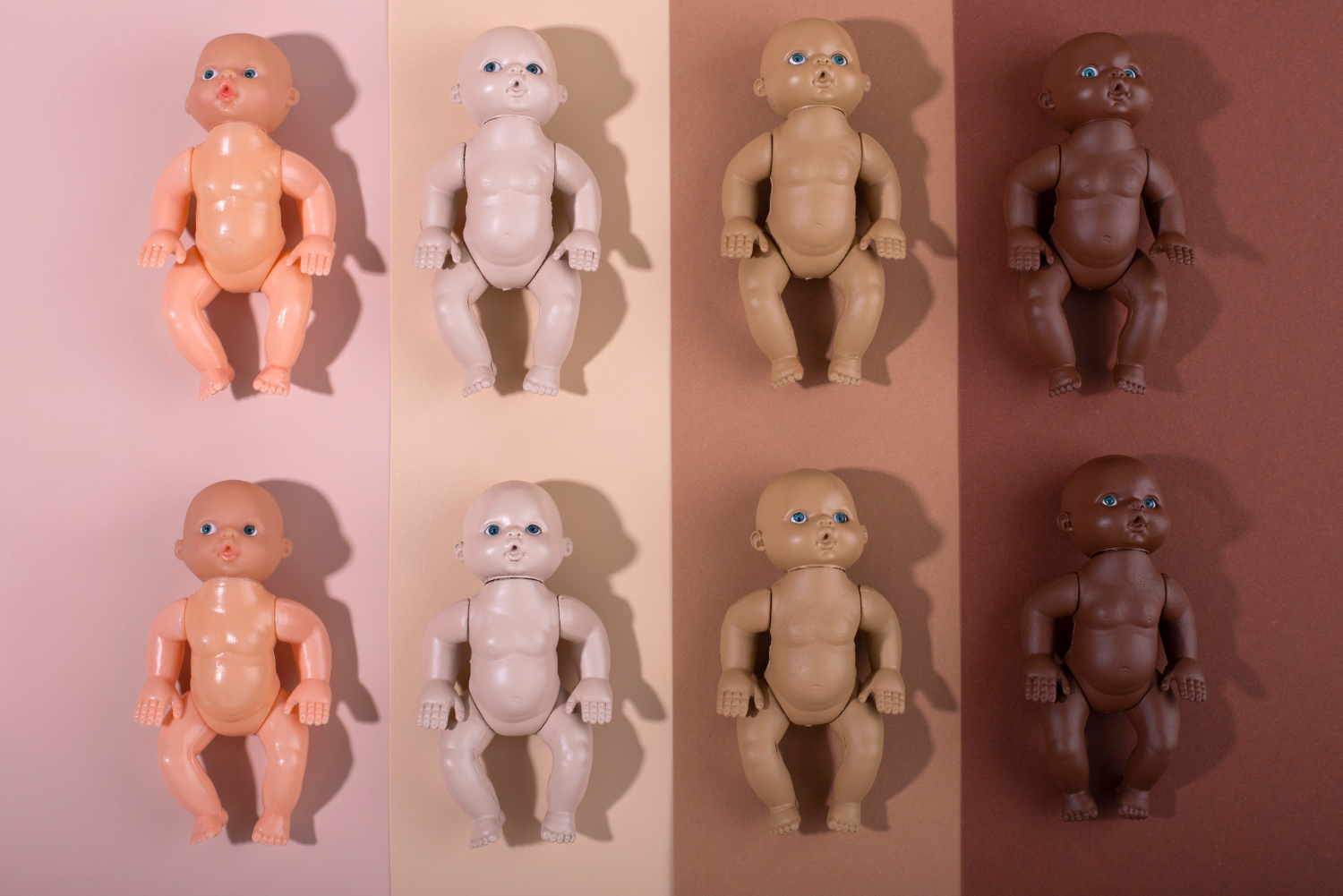
Designers picking skin tones for an illustration, a game character, or an avatar system run into the same problem eventually: a handful of default tones start to feel repetitive, and building a genuinely diverse palette by eye takes longer than it should. Random skin color generators solve that specific problem. They give you HEX and RGB values across the full range of human skin tones, from pale pink undertones to deep warm browns, so a cast of characters or a set of illustrated avatars doesn’t end up looking like variations on the same three swatches.
The tools below aren’t identical. Some are dedicated palette generators built around skin tones specifically. Others are general-purpose color tools that happen to do this job well once you know how to steer them. A few are more useful for hands-on exploration than for pulling a quick HEX code. Below is a practical look at each one, what it’s actually good for, and where it falls short.
1. Coolors Skin Tone Palette Generator
Coolors built its reputation as a fast, no-friction palette generator, and its skin tone mode carries that same speed over. Choose “Skin Tones” as a palette theme and it produces a run of realistic tones complete with HEX and RGB values. You can lock any color you like and keep regenerating the rest, which is the fastest way to build a set of five or six related tones without starting from scratch every time you want a variation.
What makes Coolors worth bookmarking is the lock-and-regenerate workflow. Say you land on a warm mid-brown that works for one character; lock it, hit the spacebar, and the tool cycles new tones around it while leaving your locked color untouched. Saturation and lightness sliders let you nudge a generated tone warmer or cooler without abandoning the whole palette and starting over.
- Generates random skin tones with one keypress, plus HEX and RGB codes for each
- Lock individual colors while regenerating the rest of the palette
- Saturation and lightness adjustment sliders for fine control
- Free to use, works entirely in the browser with no account required
Try it directly at the Coolors palette generator.
2. Khroma
Khroma takes a different approach. Instead of a dedicated skin tone button, it’s an AI-driven color tool that learns your preferences over a short training session, where you pick colors you like from a series of grids, and then generates palettes that reflect that taste. It wasn’t built specifically for skin tones, but if you train it on warm, earthy hues, it gets reasonably good at producing combinations that read as natural skin colors.
The tradeoff is setup time. Khroma asks for around 50 color picks before it starts generating anything useful, so it’s a poor fit if you need a palette in the next five minutes. Where it earns its place is on a longer project, where you train it once toward the tonal range you need and then keep pulling fresh combinations from it as the project grows.
- AI model trained on your stated color preferences
- Generates custom palettes once trained, including warm and earthy ranges suitable for skin tones
- Provides HEX codes for every generated color
- Free, browser-based, no download required
Train your own model at Khroma.
3. Color Hunt
Color Hunt is a community-driven palette library rather than a generator in the strict sense. Users submit four-color palettes, and the community browses, favorites, and filters them by category, including a dedicated skin tone collection. You won’t get an infinite randomize button here, but the upside is that every palette was picked by a human who thought the colors worked well together, which filters out a lot of the awkward combinations an algorithm can produce.
The collection refreshes regularly with new submissions, so it’s worth a periodic revisit rather than a one-time browse. For anyone building a character set who wants palettes that have already been vetted for visual harmony, this beats a pure randomizer.
- Curated, human-submitted skin tone palettes updated regularly
- Save and organize favorite palettes into collections
- HEX codes provided for every color in every palette
- Free with no account required to browse
Browse the collection at Color Hunt.
4. Adobe Color
Adobe Color is built around color harmony rules, complementary, analogous, triadic, and so on, rather than skin tones specifically. That said, its color wheel gives you precise control over hue, saturation, and brightness, which means you can dial in warm, muted tones and build a realistic skin palette manually. The “Explore” section also surfaces community-created palettes, some of which are tagged for skin tones and portrait work.
This is the tool to reach for when you want a palette that harmonizes with the rest of an illustration’s color scheme, not just a set of tones in isolation. If your character needs to sit comfortably against a background palette you’ve already built in Adobe Color, working within the same tool keeps everything consistent.
- Full color wheel with harmony rule presets
- Manual hue, saturation, and brightness control for precise tone matching
- Community palette library with searchable tags
- Free with an Adobe account; syncs with Creative Cloud apps
Try the tool at Adobe Color.
5. RandomColor.js Playground
RandomColor is a lightweight, code-based color generator that developers sometimes embed directly into their own tools. Its public playground lets you constrain the hue range and brightness before generating, so setting the hue to orange or red and the luminosity to “light” produces colors that land squarely in typical skin tone territory. It’s less polished than Coolors, but for anyone comfortable tweaking parameters, it’s a fast way to batch-generate variations.
- Constrainable hue and luminosity settings for targeted tone ranges
- Generates HEX values instantly with each click
- Open-source library available for developers who want to generate tones programmatically
- Free, no account needed
Try the playground at RandomColor.
6. Canva Color Wheel and Palette Tools
Canva’s color wheel doubles as a searchable palette tool. Typing “skin tones” into its palette search surfaces curated combinations with HEX codes attached, ready to drop straight into a Canva design or copy out for use elsewhere. Because it’s built into a design platform millions of people already use for social graphics, book covers, and marketing materials, it’s often the most convenient option if you’re already working in Canva for the rest of a project.
- Searchable palette library, including skin tone collections
- HEX codes copyable directly into any Canva design
- Integrated color wheel for building custom harmonies from scratch
- Free tier covers all color tools; no separate account needed beyond a Canva login
Search palettes at Canva’s Color Wheel.
7. Artbreeder
Artbreeder sits apart from the rest of this list because it isn’t a color tool at all in the traditional sense, it’s a face and portrait generator built on machine learning models that blend and mutate images. Sliders let you adjust skin tone alongside dozens of other facial characteristics, which makes it genuinely useful for character concepting rather than pure palette work. You’re not pulling an isolated HEX code here so much as generating an entire face with a specific skin tone already applied, which you can then sample colors from afterward using any standard eyedropper tool.
This is the option worth trying when the end goal is a character design rather than a flat palette swatch. Watching a face shift in real time as you adjust the tone slider gives a much better sense of how a color reads on actual features than a flat square ever will.
- Slider-based control over skin tone and dozens of other facial traits
- Generates full portraits, not just isolated color swatches
- Useful for character concepting where tone needs to be judged in context
- Free tier available; paid tiers unlock higher resolution and faster generation
Try it at Artbreeder.
8. Pigment by ShapeFactory
Pigment is a clean, browser-based palette generator with an extensive library of pre-generated color combinations, including warm and earthy ranges that work well as skin tones. Filtering by “lighting” or tone family narrows the library down quickly, and every swatch comes with HEX and RGBA values ready to copy. It doesn’t have a dedicated “skin tone” filter the way Coolors does, but the sheer size of its curated library means you’ll usually find something close to what you need within a minute or two of browsing.
- Large curated library of pre-generated palettes
- HEX and RGBA values provided for every swatch
- Filterable by tone and lighting characteristics
- Free, no account required
Browse it at Pigment by ShapeFactory.
9. Colordot by Hail Pixel
Colordot turns color picking into a physical, gestural act. Move your mouse or finger across the screen and the background color shifts continuously through the spectrum, letting you land on a tone by feel rather than by typing numbers into a form. Restricting your movement to the warm, lower-saturation corner of the interface puts you squarely in skin tone territory, and a tap or click locks in the HEX value once you’ve found something you like.
It’s not the fastest way to grab a specific value, but it’s genuinely useful for anyone who finds it easier to recognize the right tone visually than to guess at HSV numbers.
- Interactive, gesture-based color picker
- Continuous real-time color preview as you move
- Generates HEX code on selection
- Free, works directly in the browser on desktop and mobile
Try it at Colordot by Hail Pixel.
10. SchemeColor Skin Tone Palettes
SchemeColor is a large library of user-submitted and staff-curated palettes organized by category, including a dedicated skin tone section. Like Color Hunt, it favors browsing over randomizing, so you’re picking from combinations that have already been assembled rather than generating something new each time. Every palette page lists HEX, RGB, and CMYK values, which is useful if your output needs to go to print as well as screen.
- Dedicated skin tone palette category
- HEX, RGB, and CMYK values listed for every palette
- Downloadable palette images for quick reference
- Free to browse, no account required
Browse the collection at SchemeColor.
Matching the Tool to the Job
None of these tools is universally “best,” because the right pick depends heavily on what you’re actually trying to do. If you need a HEX code in the next thirty seconds and don’t want to think about it further, Coolors and RandomColor get you there fastest. Both let you generate, lock, and regenerate without any setup overhead.
If the goal is a palette that already reads as cohesive because a human assembled it, Color Hunt and SchemeColor are the better starting points. Their palettes have been vetted by actual use, which cuts down on the awkward outlier tone that sometimes slips through a pure algorithm.
For character work specifically, where the tone needs to sit correctly on an actual face rather than as an isolated swatch, Artbreeder is worth the extra time it takes to try out. Watching a portrait shift in real time as you adjust tone sliders teaches you more about what actually reads as natural than any flat color square can.
And if you’re already deep into a broader palette-building exercise for an illustration or brand, Adobe Color and Canva let you keep everything in one ecosystem, so the skin tones you pick harmonize with backgrounds, clothing colors, and everything else in the scene rather than existing in isolation.
Building a Reusable Reference Sheet
If skin tone work is something you’ll come back to repeatedly, whether for an ongoing illustration project, a game with a growing cast, or a company style guide, it’s worth building a permanent reference sheet rather than regenerating tones from scratch every time. Pull a spread of ten to fifteen values from two or three of the tools above, arrange them from lightest to darkest with undertone variation across each row, and label each one with its HEX code plus a short note on where it came from. That sheet becomes the single source of truth for the project, and it saves the awkward situation where a character’s skin tone drifts slightly between scenes because two different artists pulled slightly different values from two different generators.
It’s also worth revisiting that reference sheet periodically rather than treating it as fixed forever. Palette tools update their libraries, algorithms improve, and a set of tones that felt sufficiently broad a year ago might look narrow once you compare it against what current tools can produce. A quick annual review, cross-checking the existing sheet against fresh output from Coolors or Color Hunt, keeps a long-running project’s color range from quietly falling behind.
Why Inclusive Skin Tone Range Actually Matters
It’s easy to treat this as a purely technical problem, pick a HEX code, move on, but the reason random skin color generators exist at all is representation. A character generator, an avatar builder, or an illustrated cast that defaults to two or three narrow tones ends up excluding a huge share of the people who might see themselves in that work. This shows up constantly in games and apps that ship with an avatar creator: if the skin tone slider only spans a handful of steps and the middle values all skew toward one narrow band, players notice, and they notice fast.
Building genuinely inclusive tone ranges means covering more than lightness. Undertone matters as much as value. Two skin tones can sit at nearly identical brightness levels and still read as completely different once you account for whether the underlying hue leans pink, yellow, olive, or deep red. A generator that only varies brightness while holding hue constant will always produce a palette that looks narrower than it actually needs to, even if the numbers suggest otherwise. This is one of the reasons tools like Adobe Color, which let you manipulate hue and saturation independently rather than just sliding a single “darker to lighter” control, tend to produce more convincing results for character work than simpler randomizers.
There’s also a practical business case here beyond the ethical one. Products with visibly narrow representation in their avatar systems or marketing illustrations get called out publicly, and the fix after the fact, retrofitting a wider tone range into an already-shipped product, is far more expensive than building it correctly from the first palette pass. Spending an extra ten minutes cross-referencing two or three of the tools above before finalizing a character set is cheap insurance against that outcome.
Common Mistakes Worth Avoiding
A few patterns show up repeatedly when people build skin tone palettes in a hurry, and each one is easy to avoid once you know to look for it.
The first is treating “random” as a synonym for “diverse.” A generator set to fully random hue and saturation will happily produce five tones clustered in the same narrow range purely by chance, especially with a small sample size. Locking a couple of anchor tones deliberately, rather than trusting pure randomness to spread evenly, produces a more balanced result.
The second is ignoring how a tone renders under different lighting assumptions. A palette built against a flat white background can look completely different once it’s placed against a warm-lit scene or a cool blue-toned background. If the finished piece has any consistent lighting direction or color grading, it’s worth testing chosen tones against that context before treating the palette as final.
The third is relying on a single tool for an entire project. Every generator has its own bias baked into its algorithm or its curation choices. Coolors tends to favor evenly saturated mid-tones. Color Hunt and SchemeColor reflect whatever their contributor community happens to submit most often. Cross-checking a shortlist across two or three sources catches gaps that any single tool’s bias would otherwise leave in the final set.
A Few Practical Notes on Using These Tools Well
Realistic skin tone work benefits from variety in both hue and value, not just a single warm-to-cool slider. Real skin has undertones that shift between pink, yellow, orange, and red depending on lighting and ethnicity, so leaning on a single generator’s default output for an entire cast of characters tends to produce a palette that looks flat and repetitive even when the individual tones are technically accurate.
A workflow that holds up well in practice: generate a batch of candidate tones from two or three of the tools above, drop them into a single reference sheet, and then hand-pick the combination that gives your project the widest, most natural-looking spread. Locking a couple of anchor tones in Coolors and then cross-checking them against a curated collection on Color Hunt or SchemeColor tends to catch anything that looks off before it ends up in a finished piece.
Lighting also matters more than most people expect. A tone that looks correct under flat, neutral lighting can shift dramatically once shading and highlights are added, so it’s worth testing a chosen palette under the actual lighting conditions of the finished illustration before locking it in as final.
Finally, keep an eye on how a tool exports its values. Some of the generators above give HEX only, while others include RGB and CMYK alongside it. If a project is destined for both screen and print, grabbing the CMYK values up front from a tool like SchemeColor saves a round trip through a converter later, and it avoids the color drift that can happen when a HEX value gets translated to print colors after the fact rather than sourced correctly from the start.