Best Local SEO Software in 2026 – Tools for Local Search Rankings
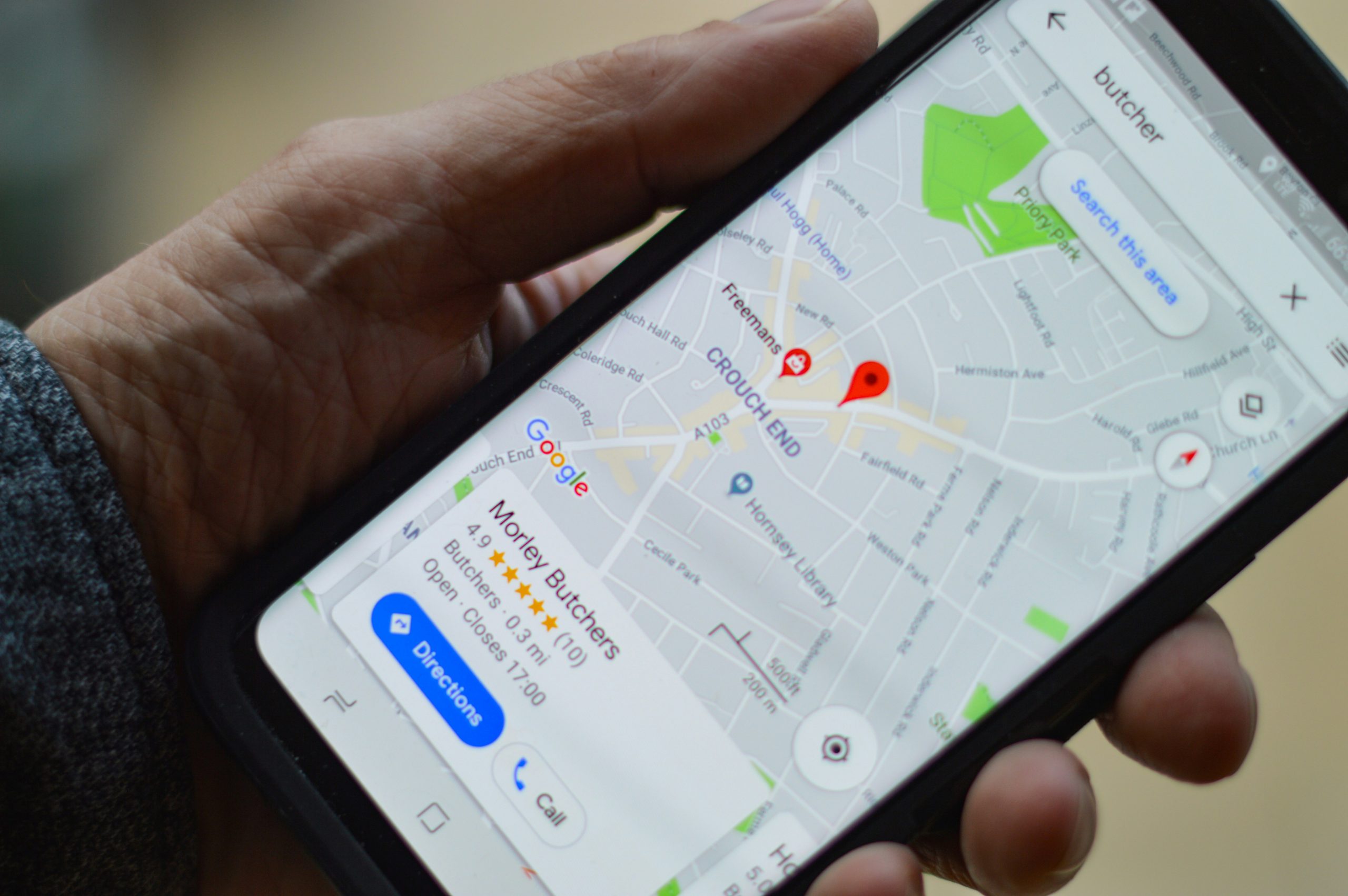
Local SEO helps businesses appear in location-based searches and Google Maps results. A restaurant in Austin doesn’t need to rank for “best restaurant” nationally. It needs to rank for “best restaurant near me” when someone three blocks away opens their phone. That’s a different ranking game. It runs on signals a blog post or product page never has to worry about: business listings and citation consistency, plus reviews and physical proximity to the person searching.
The right tools manage those listings and track local rankings across neighborhoods and zip codes. They also build citations across directories most business owners have never heard of. Below is a breakdown of the platforms doing that work in 2026, plus the context you need to pick between them instead of just installing the first one that shows up in a search.
What Local SEO Software Actually Does
Most local SEO tools fall into a handful of overlapping categories. Citation management software keeps your business name and contact details consistent across directories like Yelp and Apple Maps, down to dozens of smaller niche sites most owners never think to check. Rank tracking software tells you where you show up for a given search term at a given location, which matters because local rankings shift block by block in a way national rankings don’t. Reputation management software collects and responds to reviews, since review volume and recency now factor directly into map pack visibility. Audit tools scan your existing presence and flag gaps: missing listings, inconsistent NAP data, thin Google Business Profile content.
Some platforms, like BrightLocal or Yext, try to cover all of that in one dashboard. Others specialize. Whitespark focuses almost entirely on citations. LocalFalcon does one thing, geo-grid tracking, and does it in detail. Knowing which category a tool sits in before you compare pricing saves a lot of wasted demos.
Top Local SEO Software in 2026
1. BrightLocal
BrightLocal provides comprehensive local SEO built around citation building and rank tracking, with reputation management layered on top. Its audit tools scan existing listings for inconsistencies and missing directory profiles, then hand you a prioritized fix list instead of a raw data dump.
Agencies managing multiple client locations tend to gravitate toward BrightLocal because it was built with white-label reporting in mind from the start. A single-location small business can use it too, but the real value shows up once you’re tracking rank across a dozen storefronts or more and need one dashboard instead of five separate logins.
2. Semrush Local
Semrush’s local tools track local pack rankings and manage listings, with local presence audits built into the same workflow. The advantage here isn’t any single feature working in isolation. It’s that Semrush Local sits inside the same account as keyword research and backlink analysis, so a business already paying for Semrush’s broader SEO suite gets local tracking without adding a second vendor.
That bundling cuts both ways. Businesses that only need local features end up paying for a platform built primarily for enterprise organic SEO, and the local module can feel like an add-on rather than the main product.
3. Moz Local
Moz Local syncs business information across directories and monitors for duplicate listings. Simplified management keeps NAP data consistent everywhere it appears, which matters more than most business owners realize until they see what a mismatched phone number does to map rankings.
The interface leans toward simplicity over depth. If you want granular geo-grid tracking or heavy customization, Moz Local isn’t built for that. If you want to set citations correctly once and stop thinking about them, it does the job without much friction.
4. Yext
Yext provides enterprise listing management with real-time sync across hundreds of directories. Its Knowledge Graph powers consistent business information that updates everywhere at once when you change a store hour or phone number, instead of requiring manual edits on each individual platform.
Pricing reflects the enterprise positioning. Yext tends to make sense for multi-location brands and franchises where listing accuracy across a hundred locations is a real operational risk, less so for a single local business trying to keep costs down.
5. Whitespark
Whitespark offers citation building alongside rank tracking and reputation management, but citations are where it earns its reputation. The citation finder identifies new listing opportunities specific to your industry and region rather than pushing you toward a generic directory list.
Local SEO consultants and agencies use Whitespark heavily for exactly that reason: it treats citation building as a research problem, not a checkbox, and turns up niche directories that generic tools miss.
6. Rank Math
Rank Math provides local SEO schema markup for WordPress sites. Local business structured data helps Google understand your location and service area, along with basics like hours, which feeds directly into how map results and rich snippets get displayed.
It’s worth separating what Rank Math does from what the other tools on this list do. It isn’t a citation builder or a rank tracker. It’s the plugin that makes sure your own website is speaking Google’s language correctly, which is the foundation the rest of local SEO builds on. A business can run BrightLocal or Whitespark for off-site work and still need proper schema on the site itself, and for WordPress that’s where Rank Math fits.
7. GeoRanker
GeoRanker tracks local rankings across multiple locations and search engines. Grid-based tracking shows visibility across geographic areas rather than a single average position, which is a more honest picture of where you actually rank.
It also supports rank tracking outside Google, including Bing and some regional search engines, which matters for businesses operating in markets where Google isn’t the only relevant platform.
8. LocalFalcon
LocalFalcon provides geo-grid rank tracking showing exactly where you rank across a city. Visual maps reveal local ranking patterns in a way a single rank number never can. Two businesses can both show “rank 3 for plumber near me” on average and have wildly different real-world visibility depending on which neighborhoods that average is hiding.
The tool is narrow by design. It doesn’t manage citations or reviews. If geo-grid tracking is the specific gap in your current setup, LocalFalcon fills it well without asking you to pay for a full platform you don’t need.
9. Birdeye
Birdeye combines reputation management with local SEO features: review generation and listings management, plus customer messaging, all in one platform. Review volume and response rate have become ranking signals in their own right, so folding reputation work into the same tool as listings management isn’t just convenient, it reflects how Google actually evaluates local businesses now.
Multi-location service businesses tend to be the heaviest Birdeye users, along with healthcare practices and franchises, largely because review generation at scale across dozens of locations is difficult to manage manually.
10. Google Business Profile
Google Business Profile is free and essential for local SEO. You optimize your listing and post updates straight from it. Reviews get answered there too, and the built-in insights show how the listing is performing. No paid tool on this list replaces it. Every other platform either feeds data into your Google Business Profile or reports on how it’s performing.
Skipping the paid tools entirely and running Google Business Profile well is a legitimate strategy for a single-location business with a limited budget. It stops being sufficient once you’re managing several locations or competing in a category where every competitor already has a polished profile and a steady stream of reviews.
Citation Consistency and Why NAP Data Matters
NAP stands for name, address, and phone number, and it’s the least glamorous part of local SEO by far. It’s also one of the most consequential. Google cross-references your business information across the directories it can find. When your phone number on Yelp doesn’t match the one on your website, or your address on an old directory listing shows a suite number you moved out of two years ago, that inconsistency chips away at the confidence signal Google uses to decide whether your business is legitimate and where it belongs.
This is slow-moving damage, not a sudden penalty. A single mismatched listing rarely tanks a ranking overnight. Dozens of them across the directories a citation tool tracks, built up over years of address changes and rebrands, absolutely can. That’s the actual argument for a citation tool like Whitespark or Moz Local: not that any one fix moves rankings dramatically, but that manually auditing forty or fifty directories by hand isn’t something a business owner is going to do consistently, and a missed inconsistency sits there quietly hurting you until someone catches it.
Geo-Grid Rank Tracking Explained
Standard rank tracking checks your position for a keyword from one location, usually somewhere near your business address or the center of the city. Geo-grid tracking checks that same keyword from a grid of points spread across the area, then plots the results on a map so you can see rank 1 three blocks from your storefront and rank 14 two miles away in the other direction.
That gap is the whole point of the exercise. A business with strong average rank but weak grid coverage is winning customers who are already nearby and losing the ones who’d have to search a little harder to find them. Tools like LocalFalcon and GeoRanker exist specifically to surface that pattern. The fix usually involves service-area pages or more localized content, sometimes paired with citations that reinforce coverage in the underperforming zone, rather than a blanket SEO push.
What Google Business Profile Alone Can and Can’t Do
Google Business Profile handles the core of local presence at no cost. Your listing shows up in Maps and the local pack, and customers can call or message you straight from the result. There’s baseline insight too, showing how many people viewed or clicked through. For a single-location business just getting started, that’s genuinely enough to compete.
What it can’t do is manage the dozens of other directories that also feed Google’s confidence in your business data, run geo-grid analysis to show where coverage is weak, or automate review requests at scale. It also won’t flag a citation inconsistency sitting on a directory you’ve never heard of. Those are the gaps the rest of the tools on this list are built to close, and the decision about whether to close them usually comes down to how many locations you’re running and how competitive your specific market is.
How to Actually Choose Between an All-In-One Platform and Point Tools
The honest answer is that it depends on how many problems you’re solving at once. A business with one location and a reasonably clean citation profile, with no urgent reputation issues sitting unresolved, doesn’t need BrightLocal or Yext. It needs Google Business Profile set up correctly and maybe a citation cleanup pass once a year.
A business managing several locations, or one entering a market where citation data has drifted for years, benefits from an all-in-one platform simply because the coordination overhead of running five separate point tools outweighs the cost savings. Agencies almost always land here regardless of client size, since white-label reporting across an all-in-one dashboard beats stitching together exports from five vendors every month.
Point tools make sense when you’ve already diagnosed a specific gap. If your citations are clean and your reviews are solid but you have no idea whether you actually rank in the neighborhoods two miles from your address, LocalFalcon answers that one question well. Buying a full platform to answer a single question is how businesses end up with software subscriptions nobody logs into after month three.
Common Mistakes Software Alone Can’t Fix
None of these platforms can write your Google Business Profile description for you in a way that actually converts, and none of them can make a customer leave a review they didn’t feel like leaving. Software surfaces the problem. A human still has to fix it.
The most common mistake isn’t picking the wrong tool. It’s buying a tool and treating the subscription itself as the fix. BrightLocal will tell you exactly which twelve directories have inconsistent NAP data. Someone still has to log into each one and correct it, or approve the correction if the tool automates the push. Skipping that follow-through is how a business ends up paying for software for a year with rankings that never move.
A second mistake is chasing every tool on this list at once. Overlapping subscriptions covering the same citation directories or the same review platforms waste money without adding coverage. Map out what you actually need against the categories above before adding a second or third platform.
A third mistake shows up specifically with geo-grid data: seeing weak coverage two miles out and assuming the fix is more citations, when the actual issue is often that the business has no content addressing that specific neighborhood or service area at all. Rank tracking tells you where the gap is. It doesn’t tell you why, and reading the wrong cause into a good data set sends the budget toward the wrong fix.
Related Marketing Tools
Local SEO works alongside other marketing software. Explore SEMrush alternatives for broader SEO, check out Google Ads management tools for PPC campaigns, and discover conversion rate optimization software for improving results.
Frequently Asked Questions
How long does local SEO take to show results?
Citation fixes and Google Business Profile optimization can influence rankings within a few weeks. Building genuine review volume and establishing consistent citation authority across dozens of directories tends to take three to six months before the effect stabilizes. Anyone promising map pack rankings in days is selling something other than actual SEO work.
Do I need paid software if I only have one business location?
Not necessarily at first. A single-location business can get most of the value from Google Business Profile alone, paired with an occasional manual citation audit. Paid tools start earning their cost once managing listings and reviews by hand becomes a real time drain, which usually happens sooner than owners expect once review volume picks up.
What’s the difference between rank tracking and geo-grid tracking?
Standard rank tracking gives you one number from one point on the map. Geo-grid tracking gives you a spread of numbers across many points, which shows how your visibility changes as customers move farther from your storefront. The second is far more useful for diagnosing where you’re actually losing business.
Can Rank Math replace tools like BrightLocal or Whitespark?
No, and it isn’t trying to. Rank Math handles on-site schema markup for a WordPress site, telling Google what your business is and where it’s located. Citation building and rank tracking, along with reputation management, all happen off-site, across directories and review platforms Rank Math has no connection to. The two serve different layers of the same strategy.
How many directories should a business actually be listed on?
Quality matters more than raw count. A clean, consistent listing on the twenty or thirty directories relevant to your industry and region does more for rankings than a sloppy presence on two hundred generic ones. Citation tools tend to prioritize the directories that carry real weight in your specific category rather than padding the number for its own sake.
Does local SEO software help with voice search and AI assistants?
Indirectly, yes. Voice assistants and AI search tools pull the same underlying business data these platforms manage: structured citations and Google Business Profile details, plus whatever schema markup lives on your site. Cleaning up that data with a citation tool or Rank Math improves the odds an AI assistant surfaces your business correctly, even though none of these platforms market themselves as a voice search product specifically.
Where to Start
If you’re doing nothing right now, fix your Google Business Profile first. It’s free, it’s the listing customers see most often, and getting it wrong costs you visibility no other tool can recover. From there, run one citation audit to catch the inconsistencies that have probably built up over years without anyone noticing. Everything past that, geo-grid tracking, full reputation management, enterprise listing sync, is worth paying for once you can point to the specific gap it closes, not before.