What Is Digital Marketing? A Step by Step Guide for 2026

Digital marketing is more than just running ads or posting online. It’s about understanding people, using the right channels, and building real connections in today’s fast-changing digital world. Here’s how I’ve learned to simplify it step by step.
Introducing Digital Marketing
Digital marketing is not just about running ads or posting online. It is about understanding people, platforms, and strategy in today’s fast-changing digital world.
What Does Digital Marketing Actually Mean Today?
When people talk about digital marketing, it often sounds like a big fancy term. Some imagine running ads on social media. Others think it’s all about SEO or posting videos online. But what does it really mean in today’s world?
I’ve been working in digital marketing for several years now, and if there’s one thing I’ve learned, it’s that the meaning of digital marketing keeps changing. What worked five years ago doesn’t always work today. The platforms have evolved, the audiences have become smarter, and the competition has increased.
When I started out, I thought running a few Facebook ads or boosting a post would bring results overnight. I quickly found out that digital marketing is much more than just putting content on the internet. It’s about understanding people, how they behave online, and how to connect with them in a meaningful way.
Why Is Digital Marketing So Important Right Now?
If you look around, almost everything has gone digital. People spend more time on their phones than on television. Shopping, learning, entertainment, communication, and even customer support now happen online. For a business, that means your customer’s first impression of you probably happens on a screen.
Digital marketing gives every business, big or small, a fair chance to reach the right audience. I’ve seen local stores double their sales simply by improving their online presence. The power lies in visibility and timing. If you can show up in front of your audience at the right moment with the right message, you’re already ahead of most competitors.
What makes digital marketing so special is that it lets you measure everything. You can see who viewed your ad, how many people clicked, what worked, and what didn’t. In traditional marketing, you could only hope your billboard or newspaper ad worked. Online, you get clear data and real feedback.
How Has Digital Marketing Changed Over the Years?
When I first entered the field, the focus was mostly on search engines and simple online ads. Social media was just starting to grow, and most brands used it like a notice board. Today, social media is more about storytelling and relationship building.
Audiences now want authenticity and trust. They can easily tell when a brand is being genuine or just trying to sell something. That’s why modern digital marketing focuses more on creating experiences than just running ads.
The rise of artificial intelligence, automation, and smart analytics has changed everything. I’ve used tools that can predict the best time to post, analyze customer sentiment, and even create personalized ad copy. It saves time and helps you make smarter decisions.
Still, I believe the heart of digital marketing remains the same. It’s not about the tools; it’s about understanding people. Technology just helps you reach them more efficiently.

What Does Digital Marketing Include Today?
Whenever someone new to marketing asks me what digital marketing actually includes, I like to break it into seven main areas:
- Search Engine Optimization (SEO) – Making your website appear when people search for what you offer.
- Content Marketing – Sharing valuable information that builds trust with your audience.
- Social Media Marketing – Connecting with your community through platforms like Instagram, LinkedIn, and YouTube.
- Pay-Per-Click Advertising (PPC) – Running paid campaigns that reach specific audiences.
- Email Marketing – Building relationships and keeping customers engaged through regular updates.
- Affiliate and Influencer Marketing – Partnering with others who already have your audience’s trust.
- Analytics and Optimization – Tracking results so you can keep improving your performance.
I’ve worked across all of these areas, and what I noticed is that each plays a unique role. SEO and content help you grow steadily over time. Social media and PPC bring faster visibility. Email helps maintain relationships. Analytics ties it all together, showing where your effort is paying off.
What Mistakes Do Beginners Often Make?
Most beginners try to do everything at once. I made the same mistake when I started. I jumped from one platform to another, hoping something would click. The truth is, digital marketing works best when you focus on a few channels that match your audience and goals.
Another common mistake is chasing tools instead of building strategy. Tools are helpful, but without a plan, they’re just noise. Once I started setting clear goals and defining what success meant for each campaign, I stopped wasting money and started getting consistent results.
Digital marketing rewards focus and patience. You don’t need to know every platform. You just need to know where your audience spends their time and how to speak their language.
Where Is Digital Marketing Headed Next?
The future of digital marketing is about personalization and human connection. Every new technology, from AI to automation, is built around understanding people better. Brands that can speak directly to individual needs will stand out.
I believe small businesses have the biggest opportunity here. With the right tools, even a small team can compete with large brands. Automation has made it possible to manage campaigns, emails, and ads with minimal effort. The key is learning how to use these tools effectively rather than relying on them completely.
Looking at where we are in 2025, digital marketing isn’t just a career or a skill anymore. It’s part of how every business communicates, sells, and grows. It’s how you tell your story to the world.
So instead of asking what digital marketing is, a better question might be: how can you make it work for your specific goals?
That’s what I’ll be explaining next, starting with the core foundations that make every digital marketing effort succeed.
The Foundations of Digital Marketing

Every strong digital strategy starts with a solid base. These foundations help you connect with your audience, set the right goals, create better content, and make smarter decisions.
What Are the Core Foundations of Digital Marketing?
Before spending money on ads or tools, it is important to understand what holds everything together. Digital marketing might look like a mix of platforms and techniques, but underneath, it relies on a few simple and timeless foundations.
When I first started, I often jumped straight into campaigns without a solid base. I created ads, wrote posts, and hoped something would work. Over time, I learned that success in digital marketing does not come from activity alone. It comes from clarity and consistency.
The foundations I rely on most are five key principles: knowing your audience, setting clear goals, creating valuable content, choosing the right platforms, and learning from your results.
Why Is Understanding Your Audience the First Step?
No marketing strategy can succeed without knowing who you are speaking to. I made that mistake early in my career. I created content that looked great to me but failed to connect with the people I wanted to reach. Everything changed when I began to understand my audience better.
Understanding your audience starts with asking the right questions:
- Who are they?
- What problems are they trying to solve?
- What type of content do they enjoy?
- How do they behave online?
To make this process easier, I create buyer personas. These are detailed profiles of my ideal customers. Each persona includes information like age, profession, goals, challenges, and interests.
When I built my first set of personas, I discovered that different groups preferred different types of content. One group loved short videos, while another preferred step-by-step guides. Once I adjusted my strategy, engagement improved quickly.
If you skip this step, you might end up creating content that looks good but reaches the wrong people. When you truly know your audience, you can connect in a way that feels personal and genuine.
How Do You Set Goals That Actually Work?
Many marketers start without a clear goal. I did too. I would run ads simply to increase awareness or post content just to stay active. The problem with vague goals is that you cannot measure them.
I learned the value of setting SMART goals. That means goals that are Specific, Measurable, Achievable, Relevant, and Time-bound.
For example, instead of saying “I want more traffic,” I say, “I want to increase website traffic by 25% in three months through SEO and blog content.” That goal is clear, realistic, and measurable.
I also break big goals into smaller ones. If my main goal is to increase leads, I might first focus on improving website engagement or email sign-ups. These small steps help me track progress and keep motivation high.
Clear goals turn ideas into strategies and make every decision easier.
What Role Does Content Play in Digital Marketing?
If I had to choose one element that drives everything in digital marketing, it would be content. Every other channel depends on it.
Content tells your story, builds trust, and helps your audience see you as an expert. Over time, I tested many types of content: blog posts, videos, infographics, short reels, and long-form guides. What I found is that great content always has three qualities: it is relevant, valuable, and consistent.
People are not looking to be sold to, they are looking to be helped. When I stopped pushing direct sales messages and started creating helpful content, engagement went up immediately. For example, instead of saying “Buy my service,” I shared posts like “How to Create a Simple Digital Marketing Plan for Your Business.”
That approach worked because it added value first. Once people saw genuine help, they became more open to exploring my services.
Consistency is another key factor. A single good post can grab attention, but steady and reliable content builds a loyal audience. Choose a schedule that fits your workflow and stick with it.
How Do You Choose the Right Platforms?
When I began my career, I tried to use every platform I could find Facebook, Instagram, LinkedIn, Twitter, Pinterest, YouTube. It was overwhelming and not very effective.
With experience, I learned that not every platform suits every business. The best approach is to focus on where your audience spends time and where your content fits naturally.
If you are targeting professionals, LinkedIn might give better results than Instagram. If your products are visual, Instagram and TikTok could work better.
I once helped a small coaching business that was struggling on Instagram. After researching, I found that most of their potential clients searched on Google and watched YouTube tutorials. We shifted focus to SEO and YouTube, and within a few months, their leads tripled.
Being strong on a few platforms is far better than being average on many.
Why Is Data and Analysis So Important?
The best thing about digital marketing is that everything can be measured. Every click, view, and conversion tells a story. Numbers show what is working and what needs attention.
I have managed campaigns both with and without data, and the difference is massive. When you rely on data, you make decisions based on facts, not feelings.
Tools like Google Analytics, Meta Ads Manager, and email insights make this simple. They help track how people interact with your content, which pages perform well, and what needs improvement.
I make it a habit to review results every week. I ask questions such as:
- Which content had the highest engagement?
- Which ad gave me the lowest cost per click?
- At what point do people leave my website?
These small insights often lead to big improvements. When you understand what works, you can scale it. When something underperforms, you can fix it quickly.
What Happens When These Foundations Work Together?
When all these elements align, digital marketing becomes predictable and effective. Knowing your audience, setting clear goals, creating strong content, choosing smart platforms, and learning from your data build a system that improves over time.
Instead of guessing, you start understanding patterns. You know what your audience responds to and how to reach them better each time.
I have seen small businesses grow significantly just by applying these basics consistently. The foundations may sound simple, but they are what make everything else possible.
Once you build on these, the next step is to explore the main digital marketing channels such as SEO, content strategy, social media, paid ads, email marketing, and analytics. That is where you start turning your foundation into real growth.
The Main Channels of Digital Marketing

Digital marketing is built on several powerful channels. Each one serves a different purpose from increasing visibility to building trust and driving sales. Understanding how they work together is the key to real success.
What Is Search Engine Optimization (SEO) and Why Does It Matter?
SEO is about helping your website show up when people search for what you offer. It sounds technical, but at its core, it’s about understanding what your audience is looking for and making sure your content provides the best answer.
When I first started experimenting with SEO, I focused only on keywords. I thought repeating a keyword several times would get me results. It did not. What worked was understanding search intent. I learned that Google rewards pages that genuinely help users.
Today, SEO has three main parts:
- On-page SEO – optimizing your content, titles, and structure.
- Off-page SEO – building credibility through backlinks and mentions.
- Technical SEO – ensuring your website loads fast, looks good on mobile, and is easy for search engines to crawl.
What makes SEO so powerful is its long-term impact. A single well-written post can bring visitors for months or even years. I have seen small businesses triple their organic traffic simply by improving their site structure and publishing valuable content regularly.
How Does Content Marketing Drive Growth?
Content marketing is the heart of every digital strategy. It is how you attract, educate, and nurture your audience without directly selling.
When I started publishing content consistently, I noticed a big shift. Instead of chasing leads, people began reaching out to me. They had already read my content, understood my approach, and trusted my advice before even speaking to me.
Content marketing is not just about blog posts. It includes videos, podcasts, infographics, and even short-form content like reels or carousels. The goal is to provide value that solves problems or inspires action.
A strong content strategy usually follows three stages:
- Attract: Create educational or entertaining content that draws attention.
- Engage: Share deeper insights that help your audience make informed choices.
- Convert: Offer solutions that lead to action, like signing up or making a purchase.
What I have learned is that the more you give through content, the more you earn in trust and visibility.
Why Is Social Media Marketing So Powerful?
Social media gives every brand a voice. It is where people spend their time, share opinions, and make buying decisions.
In my early days, I treated social media like a notice board. I would post updates and expect engagement. It did not work. What made a difference was when I started treating it as a community, not a channel. I began responding, sharing stories, showing behind-the-scenes moments, and even admitting mistakes. That is when engagement grew.
Each platform serves a different purpose:
- Instagram – best for visuals and brand storytelling.
- LinkedIn – great for professionals and B2B connections.
- YouTube – builds authority through long-form video content.
- TikTok & Reels – perfect for quick, creative visibility.
The key is not to copy what others are doing but to find what fits your brand’s voice and your audience’s habits. Social media is less about selling and more about connecting.
What Is Pay-Per-Click (PPC) Advertising and How Can It Help?
PPC lets you reach the right people instantly through paid campaigns. You pay only when someone clicks on your ad. It can bring fast results, but it also requires careful planning.
When I ran my first PPC campaign, I targeted too broadly. I spent money quickly but got very few conversions. Once I narrowed my audience, improved my ad copy, and used proper landing pages, the cost per lead dropped by more than half.
Platforms like Google Ads, Facebook Ads, and LinkedIn Ads offer detailed targeting options. You can reach people by location, interest, profession, or behavior.
What I like most about PPC is how measurable it is. You can test two versions of an ad, see which one performs better, and adjust in real time. It is one of the fastest ways to learn what resonates with your audience.
How Does Email Marketing Build Long-Term Relationships?
Email marketing remains one of the most reliable digital channels. It gives you direct access to your audience without relying on algorithms.
When I first started using email, I made the mistake of sending too many promotional messages. People unsubscribed quickly. I learned that emails work best when they feel personal and helpful.
Now, I use email to share insights, tips, and updates that genuinely help my subscribers. Every once in a while, I include offers, but I make sure most messages add value first.
Segmenting your list is also important. Not everyone needs the same message. For example, new subscribers might get an introduction series, while existing clients get advanced updates.
The key to good email marketing is trust. Once your audience trusts your content, they will open and engage consistently.
What Is Influencer and Affiliate Marketing?
Influencer and affiliate marketing help you reach new audiences through people who already have their trust.
I first tested influencer marketing with a small local campaign. Instead of hiring a big name, I partnered with a local creator who had an engaged following. The response was far better than I expected because her audience trusted her recommendations.
Affiliate marketing works similarly but focuses on performance. You give partners a commission for every lead or sale they bring. It is a cost-effective way to grow because you only pay for actual results.
Both methods work best when you collaborate with people who align with your brand values. The connection has to feel natural, not forced.
Why Are Analytics and Optimization the Core of Every Channel?
No matter how good your campaign looks, you cannot improve what you do not measure. Analytics tells you what is working and what needs fixing.
When I first started tracking performance seriously, I realized that some of my favorite campaigns were not delivering results. The data showed where people dropped off or stopped engaging. Once I adjusted the headlines, visuals, and timing, performance improved immediately.
I use tools like Google Analytics, Google Search Console, and platform insights to review numbers weekly. I track engagement, conversion rates, and traffic sources. Over time, these numbers reveal patterns that help refine future strategies.
Optimization is an ongoing process. Even small tweaks can lead to big improvements.
How Do All These Channels Work Together?
Each channel plays a unique role, but the real power comes when they work in sync. SEO attracts, content educates, social media engages, PPC drives quick visibility, and email builds relationships. Analytics ties it all together so you can keep improving.
I like to think of digital marketing as a system, not a checklist. When your channels support each other, your brand becomes stronger, your reach becomes wider, and your results become more consistent.
Creating a Digital Marketing Strategy That Actually Works
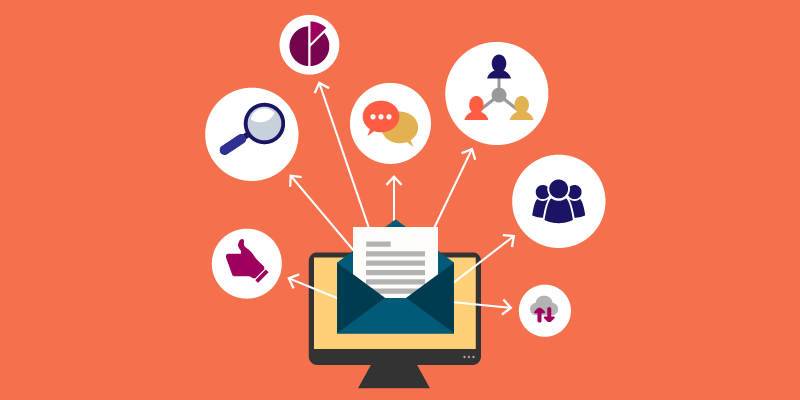
A great digital marketing strategy isn’t about using every tool or platform. It’s about understanding your audience, setting clear goals, and creating a system that delivers consistent results. Here’s how to build one that truly works.
Why Do You Need a Digital Marketing Strategy?
Without a clear strategy, digital marketing can quickly become overwhelming. I learned this the hard way. Early in my career, I jumped from one campaign to another posting on social media, running ads, writing blogs but nothing connected. I was busy, not effective.
Once I built a proper strategy, everything changed. I knew who I was targeting, what my goals were, and which channels to prioritize. My campaigns started working together instead of against each other.
A well-designed strategy gives direction, consistency, and purpose to every marketing activity. It ensures that your time and budget go toward actions that actually drive growth.
Step 1: Define Your Audience Clearly
Your strategy starts with knowing who you’re talking to. You can’t craft messages that resonate unless you understand your audience’s needs, challenges, and motivations.
I always start with buyer personas detailed profiles that represent different segments of your ideal customers. For example:
- Persona A: Small business owner, limited time, looking for affordable marketing solutions.
- Persona B: Marketing manager at a mid-sized company, wants measurable results and ROI tracking.
- Persona C: Freelancer, looking to build a personal brand online.
Once you understand these personas, your messaging becomes clearer and more relevant.
Step 2: Set Clear, Measurable Goals
Every strategy should be built on SMART goals: Specific, Measurable, Achievable, Relevant, and Time-bound.
Instead of saying “I want more followers,” try: “I want to increase website traffic by 20% in 90 days through consistent SEO blogging.” That statement gives you a clear metric to aim for and a timeframe to measure success.
Each goal should align with your broader business objectives,whether it’s brand awareness, lead generation, or sales growth.
Step 3: Choose the Right Channels
You don’t need to be everywhere. Focus on the platforms and methods that give you the highest impact for your audience and goals.
For example:
- Use SEO for long-term organic growth.
- Use social media for engagement and brand awareness.
- Use PPC ads for quick visibility.
- Use email marketing for nurturing relationships.
- Use content marketing to build authority.
The key is integration to each channel should support the others. When SEO drives visitors, your content should engage them, social media should build community, and email should convert interest into relationships.
Step 4: Create a Consistent Content Plan
Content is the bridge between your brand and your audience. A consistent, valuable content plan keeps you visible and relevant.
I use a content calendar to plan topics around customer questions, industry trends, and seasonal opportunities. Each piece of content has a purpose to inform, inspire, or convert.
Your content mix might include:
- Educational blog posts and guides
- Short videos and social media reels
- Email newsletters and case studies
- Podcasts or webinars
Remember: it’s not about quantity, it’s about consistency and value.
Step 5: Allocate Budget and Resources
Many marketers either overspend on ads or underinvest in good content. Your budget should reflect your goals and target audience.
Start small, test what works, then scale. For instance, allocate 40% of your budget to content creation, 30% to ads, 20% to analytics tools, and 10% to experimentation. Adjust monthly based on performance data.
Step 6: Track, Analyze, and Improve
No strategy stays perfect forever. The best marketers continuously test, measure, and optimize. I review performance weekly using tools like:
- Google Analytics for traffic and behavior insights
- Google Search Console for SEO performance
- Social media platform insights for engagement
- Email marketing reports for open and click rates
I ask three key questions after every campaign:
- What worked well and why?
- What didn’t perform and how can I fix it?
- What should I test next?
These questions keep your strategy evolving and your results improving over time.
Step 7: Keep Learning and Adapting
Digital marketing never stands still. New tools, algorithms, and behaviors emerge constantly. The brands that succeed are the ones that stay flexible and curious.
I make it a habit to read industry blogs like HubSpot, Moz, and Neil Patel to stay updated. Continuous learning ensures your strategy remains relevant and effective.
Bringing It All Together

A strong digital marketing strategy connects every piece, your goals, your audience, your content, and your data. When everything works in harmony, you don’t just attract attention; you build trust and drive real growth.
Start small, stay consistent, and keep optimizing. Over time, your digital marketing strategy will evolve into a system that brings measurable, lasting results.
Building a Digital Marketing Strategy
A strategy gives your digital marketing direction and focus. It helps you connect your goals, audience, and channels into one clear, actionable plan that delivers consistent results.
Why Do You Need a Digital Marketing Strategy?
When I first started working on campaigns, I often jumped straight into execution. I wanted quick results, so I skipped the planning part. The outcome was unpredictable and frustrating. Some campaigns worked, while others failed without a clear reason.
It was only after I began building proper strategies that I started seeing stable, repeatable success. A strategy gives you clarity. It helps you decide what to focus on, how to allocate resources, and when to take action.
Without a plan, even good ideas can get lost. A strategy makes sure every piece of your marketing effort works toward the same goal.
What Are the Main Steps in Building a Digital Marketing Strategy?
Over the years, I have refined my process into six simple steps. Each step builds on the previous one, so by the end, you have a complete, practical roadmap.
- Define your goals clearly
- Understand your audience
- Analyze your competitors
- Choose your channels
- Create your content plan
- Measure and optimize your results
Let’s look at each step in detail.
How Do You Define Your Goals?
Every great strategy starts with a goal. I always begin by asking myself one simple question: What do I want to achieve with this campaign?
Your goal might be to increase brand awareness, generate leads, boost website traffic, or improve customer retention. Whatever it is, write it down and make it measurable.
For example:
- Increase website traffic by 30 percent in three months
- Generate 500 new leads through a paid campaign
- Improve social media engagement by 25 percent
When you know your goal, it becomes easier to plan budgets, timelines, and content. It also gives you a way to measure success and learn from your results.
How Do You Understand Your Audience?
Your audience is at the center of every decision. I spend a lot of time learning about the people I want to reach before I start creating anything.
I look at data from Google Analytics, social media insights, and customer feedback. I also use surveys and polls to learn about people’s pain points and motivations.
One thing that always helps is creating audience segments. Instead of treating all customers the same, I divide them based on their goals, location, or stage in the buying journey. For instance, a first-time visitor and a returning customer might need completely different messages.
When you know who you are talking to, your content naturally becomes more engaging and relevant.
How Do You Analyze Competitors the Right Way?
Competitor analysis is not about copying others. It is about understanding what works in your industry and finding ways to do it better.
When I study competitors, I look at:
- What keywords they rank for
- Which platforms they are most active on
- What type of content gets them engagement
- How they communicate their value
I use tools like SEMrush, Ahrefs, and SimilarWeb to gather this data. But I also pay attention to their audience reactions, sometimes comments and reviews reveal more than analytics.
The goal is to spot opportunities. Maybe your competitors are ignoring a certain platform or missing a topic that your audience cares about. Filling those gaps can make you stand out.
How Do You Choose the Right Channels for Your Business?
There are many channels available, but not all of them will suit your brand. The right mix depends on your goals, budget, and audience.
If you want long-term organic growth, focus on SEO and content marketing. If you need quick visibility, use PPC or social media ads. For building trust and relationships, email marketing is ideal.
I always test new channels in small steps. For example, if I want to explore video marketing, I start with a few short videos on YouTube or Instagram before scaling up. Testing helps you understand where your audience responds best.
The key is to choose channels that complement each other and create a balanced mix.
How Do You Create a Content Plan That Works?
Content is the fuel for every strategy. Without it, no campaign can run effectively.
When building a content plan, I start by defining three things: the message, the format, and the frequency.
- Message: It should align with your brand values and audience needs.
- Format: Choose between blogs, videos, infographics, or podcasts.
- Frequency: Stay consistent based on your capacity.
I also plan content based on the marketing funnel:
- Top of the funnel (awareness): Create educational or entertaining content.
- Middle of the funnel (consideration): Share guides, case studies, or comparisons.
- Bottom of the funnel (conversion): Focus on offers, testimonials, and product demos.
One mistake I made early on was creating content without structure. Now, I map everything in a calendar. It helps me stay consistent and gives a clear view of what needs to go out and when.
How Do You Measure and Optimize Performance?
Measurement is what turns strategy into progress. Every campaign I run includes a tracking plan from day one.
I identify key metrics based on the goal. For example:
- If the goal is awareness, I track impressions and reach.
- If it is lead generation, I track conversions and cost per lead.
- If it is engagement, I track comments, shares, and clicks.
Once the data comes in, I compare it to my targets. If something performs below expectations, I adjust it. Sometimes small changes, like rewriting a headline or changing the posting time, make a big difference.
Optimization is not a one-time task. It is an ongoing process of testing, learning, and improving.
What Does a Complete Digital Marketing Strategy Look Like?
A complete strategy connects all these elements into one clear plan. It defines your goals, audience, and channels, then uses content and data to move people through their journey from awareness to conversion.
When I build strategies for clients, I also make sure to document everything. That includes target personas, KPIs, content schedules, and review timelines. A written plan keeps everyone aligned and makes execution smoother.
The best strategies are flexible. Markets change, tools evolve, and audiences shift. Your plan should give direction but also leave space for experimentation.
How Do You Keep Your Strategy Relevant Over Time?
The digital world moves fast. What works today might lose effectiveness tomorrow. That is why I revisit my strategies regularly.
Every few months, I review results, audience trends, and new platform features. I ask myself simple questions:
- Are my goals still relevant?
- Is my audience behavior changing?
- Are there new opportunities I can explore?
Small updates keep your strategy fresh and competitive. The goal is not to chase trends but to adapt intelligently.
When you have a clear digital marketing strategy, every effort becomes purposeful. You stop guessing, start learning, and move toward consistent growth.
Measuring Results and Optimization
Tracking performance helps you understand what works and what needs improvement. Optimization turns those insights into better results and stronger campaigns over time.
Why Is Measuring Performance So Important?
In my early projects, I used to judge success by feel. If an ad looked good or got likes, I assumed it was working. But when I started tracking real numbers, I discovered how misleading assumptions can be.
Measurement brings clarity. It tells you exactly what your audience responds to, where you are losing attention, and what needs to change. Without tracking, you are flying blind.
When I began using proper analytics tools, I realized that some of my best-looking campaigns were not converting, while simpler ones brought the most leads. That insight changed the way I worked forever.
What Should You Measure in Digital Marketing?
Different goals require different metrics. The key is to match what you track with what you want to achieve.
Here are some examples:
- Awareness: impressions, reach, and website visits
- Engagement: likes, comments, shares, and click-through rates
- Conversions: sign-ups, purchases, or downloads
- Retention: repeat visits, email open rates, or returning customers
I like to separate vanity metrics from meaningful metrics. Vanity metrics, like followers or likes, look good but do not always reflect real success. Meaningful metrics, like leads or conversion rates, show actual progress.
Which Tools Help You Measure Effectively?
There are many tools that make tracking easier. The right one depends on your goals and platforms. Here are some I use often:
- Google Analytics – to track website traffic, sources, and user behavior
- Google Search Console – to monitor SEO performance and keywords
- Meta Ads Manager – for Facebook and Instagram campaign insights
- LinkedIn Analytics – for B2B content tracking
- Mailchimp or ConvertKit – for email open and click rates
- Hotjar or Microsoft Clarity – to visualize how users interact with your website
I review these dashboards regularly and note trends instead of obsessing over daily numbers. Looking at patterns over weeks or months gives more reliable insights.
How Do You Use Data to Improve Campaigns?
Data only matters when you act on it. I treat every campaign like a small experiment. After running it, I ask three questions:
- What worked better than expected?
- What underperformed and why?
- What can I test next time?
For example, when I noticed that ads with testimonials performed better than ones with generic copy, I made it a habit to include customer stories in all future campaigns.
Optimization often comes down to testing small details. A new headline, a shorter form, or a different image can completely change your results. The key is to test one variable at a time so you know what caused the improvement.
How Often Should You Review and Optimize?
I usually review campaign performance weekly and do deeper analysis every month. A weekly review helps catch small issues early, while monthly reviews reveal broader trends.
For bigger strategies, I like to do a quarterly audit. During that time, I look at all major metrics, content performance, and ROI. It’s a good moment to adjust budgets, drop underperforming channels, and double down on what is working.
Optimization is not about perfection it’s about continuous improvement. Small, steady tweaks lead to consistent growth over time.
How Do You Turn Data Into Action?
One mistake I see often is collecting too much data without using it. I used to track dozens of metrics until I realized that most of them were not helping me make decisions. Now I focus on insights that lead to action.
For example:
- If bounce rates are high, I check page speed and content clarity.
- If email open rates drop, I test new subject lines.
- If engagement on posts falls, I review timing and topics.
The goal is to turn every number into a next step. Data should simplify your strategy, not complicate it.
How Can You Create a System for Ongoing Improvement?
To make optimization consistent, I use a simple loop: Measure → Learn → Adjust → Repeat.
After every campaign, I document what worked and what didn’t. I also share the lessons with my team so future campaigns start stronger. This habit saves a lot of time and prevents repeating the same mistakes.
I also use automation tools to simplify tracking. Setting up alerts for sudden drops in traffic or engagement helps me react quickly before problems grow.
Over time, this system creates a cycle of steady progress. Your campaigns become more efficient, your audience more engaged, and your returns higher.
What Does True Optimization Look Like?
Optimization is not a one-time fix. It’s an attitude of constant improvement. Even small insights, when applied consistently, can transform results.
I once ran a series of email campaigns that were performing decently. After testing different subject lines, I found that personal, conversational titles improved open rates by 40 percent. That one change increased leads significantly over the next few months.
True optimization is about curiosity. The more you test, the more you learn. And the more you learn, the more control you gain over your outcomes.
Measuring results and optimizing performance turn your digital marketing from guesswork into a science. It gives you confidence that every step you take is based on evidence, not hope.
Common Myths, Mistakes, and Lessons in Digital Marketing
Digital marketing is full of advice and assumptions. Some are helpful, while others can waste time and money. Learning from common mistakes and myths can save you years of trial and error.
What Are the Biggest Myths About Digital Marketing?
When I started my career, I believed a lot of things that sounded right but turned out to be completely wrong. These myths are everywhere, especially online, and they often lead beginners in the wrong direction.
Here are a few I hear most often:
- Digital marketing brings instant results.
Many people expect quick wins. The truth is, digital marketing takes time. Some paid campaigns deliver fast outcomes, but building real trust and organic growth happens slowly and steadily. - You need a big budget to succeed.
I have seen small businesses grow faster than large ones simply because they used creativity instead of money. Smart targeting, quality content, and consistent effort often beat large ad spends. - More followers mean more success.
This is one of the most common traps. I once ran a campaign for a brand with thousands of followers but very low engagement. A smaller competitor with genuine audience connection performed far better. Quality beats quantity every time. - SEO is dead.
People have been saying this for years, but it is still far from true. SEO has evolved, not disappeared. Search engines now reward useful, human-centered content instead of keyword stuffing. - AI will replace marketers.
Tools powered by AI can speed up work and improve accuracy, but creativity, empathy, and human insight still make the real difference. Technology assists marketers; it does not replace them.
Understanding these myths helped me stay focused on what actually matters building real connections, adding value, and staying consistent.
What Are the Most Common Mistakes Beginners Make?
I have made nearly all of these at some point, and that is why I can spot them easily now.
- Trying to do everything at once.
When I started, I wanted to be active on every platform. It quickly became overwhelming and unproductive. Focusing on one or two key channels gave me better results and less stress. - Ignoring data.
Many beginners focus on creativity but forget measurement. Without data, you do not know what is working. Once I started tracking performance properly, my results became much more consistent. - Copying competitors.
It is easy to look at others and assume what they are doing must be right. The truth is, every audience is different. I learned to take inspiration from others but always adapt strategies to fit my own audience. - Skipping audience research.
If you do not know who you are speaking to, even great content can miss the mark. Audience understanding is the base of everything. - Expecting overnight success.
Digital marketing requires patience. The best results often come from small improvements made over time.
Why Do People Often Give Up Too Soon?
I have seen many talented people quit digital marketing because they did not see fast results. I understand the frustration. Campaigns take time to build momentum, and early stages can feel slow.
The truth is, consistency is what separates success from failure. I remember a blog I started that barely got any traffic for the first few months. I almost stopped posting. But after six months of steady publishing, traffic started growing naturally. Within a year, that same blog became one of my best sources of leads.
Patience and persistence are underrated in digital marketing. Algorithms, audiences, and strategies all need time to mature.
How Can You Learn from Failure?
Failure is one of the best teachers. Every campaign that does not perform well gives you valuable feedback. I used to feel frustrated when results did not meet expectations. Now, I see it as a test that helps me improve my next move.
After every campaign, I take notes on what worked and what didn’t. I look for patterns, such as timing, message clarity, or creative style. Over time, I started recognizing what my audience liked before even launching a campaign.
Failures also teach humility. They remind you that digital marketing is not about perfection but about progress.
Why Is Consistency More Valuable Than Perfection?
Many marketers spend too much time trying to make everything perfect before they publish. I used to do that too. I would rewrite captions, delay posts, and overthink designs. In the process, I lost valuable momentum.
Eventually, I learned that consistent effort matters more than flawless execution. A post that goes live and gets feedback is more useful than a perfect post that never gets published.
Digital marketing rewards regular action. Every new post, email, or ad adds a piece to your larger picture. Over time, those small efforts compound into big results.
What Personal Lessons Have I Learned Over the Years?
Looking back, a few lessons have stayed with me throughout my digital marketing journey:
- Always stay curious. The digital world changes quickly. I keep learning new tools, strategies, and trends so I can adapt.
- Focus on people, not platforms. Algorithms and tools change often, but human needs remain the same. If you understand people, you can succeed on any platform.
- Test, learn, and repeat. Every success I have had came after a lot of testing. You do not need to get it right immediately; you just need to keep learning.
- Value trust above all else. Whether it is with clients, audiences, or partners, trust takes time to build but can open every door in the long run.
- Keep things simple. The more I simplify my approach, the more effective my work becomes. Simple strategies are easier to manage, scale, and measure.
How Can Beginners Avoid These Mistakes?
If I had to give one piece of advice to beginners, it would be to slow down and focus on learning the basics. You do not need every new trend or tool. You just need a clear understanding of your audience, a focused strategy, and the patience to stick with it.
Document your progress, learn from your numbers, and talk to your audience often. Real success comes from understanding, not guessing.
And most importantly, remember that digital marketing is not just about numbers or platforms. It is about helping people and telling stories that matter.
When you accept that mistakes are part of the process, digital marketing becomes less stressful and more enjoyable. Every challenge becomes a lesson that makes your next campaign stronger and smarter.
So, Where Do You Go From Here?
Digital marketing is not just a skill. It is a continuous journey of learning, testing, and connecting with people in a way that builds trust and long-term growth.
What Is the Real Meaning of Digital Marketing Today?
After years of testing, experimenting, and learning, I have come to see digital marketing as much more than a collection of tactics. It is a way to build trust, tell stories, and connect with people where they already spend their time online.
The landscape changes quickly. Platforms evolve, algorithms shift, and new tools appear every few months. But one thing stays constant: the need for honest and helpful communication. The brands that stand out are the ones that listen, adapt, and care about their audience.
When your focus is on helping instead of selling, your marketing becomes more human. That is when people start to remember you and come back to engage again.
What Should You Focus on Going Forward?
For beginners, digital marketing can feel overwhelming. There are countless platforms and strategies to explore. My advice is to start small and keep things simple.
Choose one or two channels that match your goals and audience. Learn them deeply and get consistent before expanding. Create helpful content, track your progress, and improve one step at a time.
Digital marketing rewards patience and steady effort. You do not need to be everywhere. You just need to be effective where it matters most.
How Can You Keep Improving Over Time?
The best marketers I know never stop learning. I follow the same approach. Every campaign teaches me something new about people and communication.
Stay curious and keep testing. Try new content formats, experiment with timing, and learn from both wins and mistakes. Some ideas will fail, but others will surprise you with amazing results.
Engage with other marketers, share your experiences, and listen to different perspectives. You will learn faster when you exchange ideas with others who face similar challenges.
Above all, keep your focus on your audience. If your marketing helps people, it will always stay relevant.
What Are the Key Lessons to Remember?
Here are the main takeaways I have learned over time:
- Know your audience before creating anything.
- Set clear and measurable goals.
- Focus on useful content that adds value.
- Stay consistent even when results are slow.
- Use data to guide your choices.
- Learn from mistakes instead of fearing them.
- Keep your approach simple and genuine.
These lessons have shaped how I work and how I help clients grow. They turn digital marketing from guesswork into a clear and repeatable process.
Why Does Digital Marketing Matter More Than Ever?
In 2025, digital marketing is how every business communicates, sells, and grows. It is not just an option anymore — it is the foundation of visibility and trust.
Whether you are promoting a service, building a personal brand, or supporting clients, digital marketing helps you reach the right people at the right time. It gives you the tools to tell your story clearly and consistently.
I have seen small businesses grow faster than they imagined simply by showing up online with purpose and focus. You can do the same if you start with clarity and commitment.
Bringing It All Together: What Digital Marketing Really Teaches You
If you have read this far, it means you care about learning the right way. That mindset will always take you further than any single tactic or trend.
Digital marketing is a journey filled with new lessons every day. Some days will be challenging, but every test and every campaign will make you stronger.
Keep learning, keep experimenting, and most importantly, keep connecting with people. The results will always follow when you focus on real value and genuine communication.